
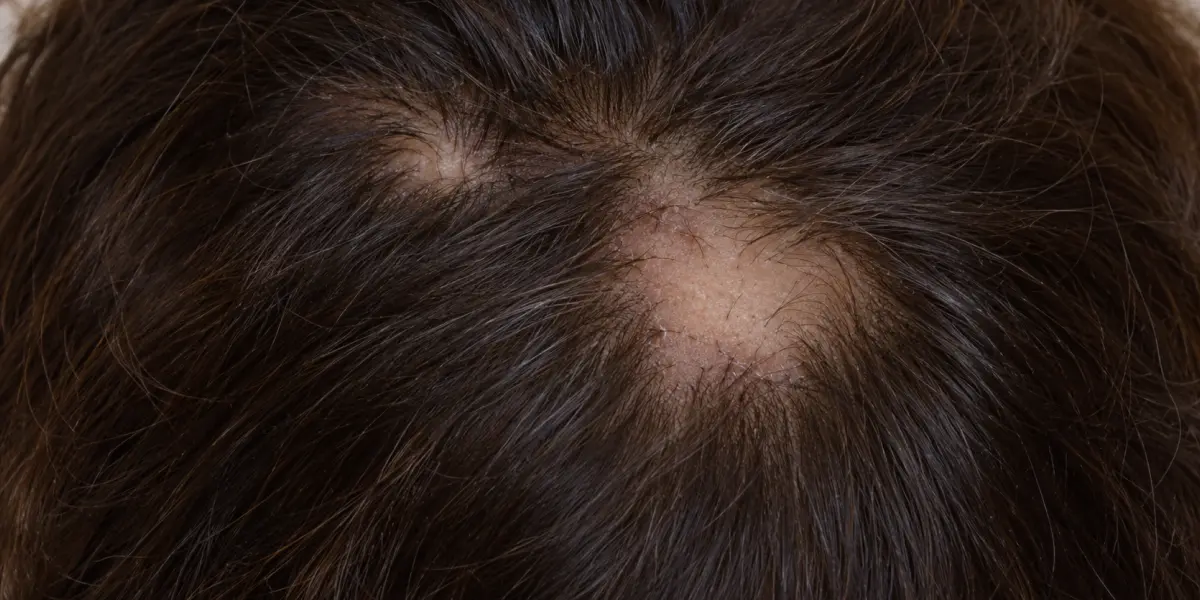
Hair loss is not always caused by genetics, stress, or poor hair care. Sometimes, an underlying scalp condition can damage the hair roots and lead to permanent hair loss. Lichen planopilaris (LPP) is one such condition. It causes inflammation around hair follicles and slowly damages them. Many people first notice itching, redness, or small patches of thinning hair without knowing what is happening. Understanding this condition early can make a real difference. This guide explains what lichen planopilaris is, why it develops, how to recognise its symptoms and which treatments can help protect your remaining hair.
What Is Lichen Planopilaris?
Lichen planopilaris is a rare inflammatory scalp condition that causes a type of hair loss called scarring alopecia. It develops when the body’s immune system attacks hair follicles by mistake. This causes inflammation around the roots of the hair.
Over time, the inflammation damages the follicles and replaces them with scar tissue. Once a follicle is completely destroyed, it cannot grow new hair.
LPP usually affects the scalp, particularly the top, sides and back. It may cause small patches of hair loss that gradually become larger. Some people also experience itching, burning or scalp tenderness.
Unlike common hair thinning, LPP can permanently affect hair growth. This is why recognising the early signs and getting medical advice matters.
What Causes Lichen Planopilaris?
The exact cause of lichen planopilaris is still unknown. However, research suggests that it is an immune-related condition.
Normally, the immune system protects the body against infections and harmful substances. In people with LPP, certain immune cells mistakenly attack the hair follicles. This leads to inflammation and damage around the hair roots.
Researchers are still studying why this reaction starts. Some possible factors being explored include:
- Immune system changes: An unusual immune response may trigger inflammation around hair follicles.
- Genetic factors: Family history may play a role in some cases, although LPP is not considered a clearly inherited condition.
- Medication-related factors: Certain medicines have occasionally been linked to LPP-like reactions.
- Other health conditions: Some people may also have lichen planus affecting the skin, mouth, or nails.
It is important to understand that LPP is not caused by poor hygiene and cannot spread from one person to another.
What Are the Early Symptoms of Lichen Planopilaris?
The first signs of LPP can be easy to overlook. Some people experience scalp discomfort before noticing visible hair loss. Others discover small bald patches without having any pain or itching. Watch for these common symptoms:
Itching and Scalp Irritation
Persistent itching around the hair roots can be an early warning sign. The scalp may feel uncomfortable, especially in areas where hair is thinning.
Redness Around Hair Follicles
Small red areas may appear around individual hair roots. This redness is linked to inflammation and may be easier to notice during a close scalp examination.
Burning Sensation or Tenderness
Some people experience a burning feeling, soreness or pain when touching their scalp. These symptoms may become more noticeable when the inflammation is active.
Patchy Hair Loss
Hair may start falling out in small, uneven areas. These patches can slowly grow or join together, leaving visible areas of hair loss.
Smooth or Shiny Scalp Patches
As the condition progresses, damaged follicles may be replaced by scar tissue. The affected skin can look smooth and shiny, with fewer visible follicle openings.
Not everyone experiences all these symptoms. A person may have active inflammation even when the scalp discomfort is mild.
Who Is More Likely to Develop Lichen Planopilaris?
Lichen planopilaris can affect both men and women, although it is reported more often in women. It commonly develops in adults, particularly during middle age, but younger adults can also develop it.
These findings show that LPP is uncommon, but it deserves attention because it can cause permanent hair loss.
Having a particular age, gender, or family history does not mean someone will develop this condition. A dermatologist must assess the symptoms before making a diagnosis.
How Is Lichen Planopilaris Diagnosed?
Diagnosing LPP involves more than checking how much hair has fallen out. A dermatologist needs to examine the scalp and identify signs of inflammation and scarring. The diagnosis may involve the following steps:
Scalp Examination
The dermatologist checks for redness, scaling, thinning areas, and smooth patches. They may also ask when the hair loss started and whether you experience itching, burning, or pain.
Trichoscopy
Trichoscopy uses a special magnifying device to examine the scalp and hair follicles closely. It helps the doctor identify inflammation, scaling, and missing follicle openings.
Scalp Biopsy
A scalp biopsy may be recommended to confirm the diagnosis. The doctor takes a small sample of skin, usually from the active edge of a hair loss patch. A laboratory examines the sample under a microscope to look for inflammation and scarring around the follicles.
Medical History
Your doctor may ask about medications, other skin conditions, and previous hair loss treatments. This information helps rule out other conditions that can cause similar symptoms.
An accurate diagnosis is important because different types of hair loss need different treatments.
What Are the Treatment Options for Lichen Planopilaris?
There is currently no guaranteed cure for LPP. However, treatment can help control inflammation, reduce discomfort, and slow further hair loss. The right approach depends on how active the condition is, how much of the scalp is affected, and how the patient responds to treatment.
Topical Corticosteroids
These are medicated creams, lotions or solutions applied directly to the affected scalp. They help reduce inflammation and itching around the hair follicles.
Steroid Injections
A dermatologist may recommend injections into active areas of the scalp. These medicines help control local inflammation and may reduce the risk of further follicle damage.
Oral Medication
For more active or widespread LPP, doctors may prescribe medicines such as hydroxychloroquine or other anti-inflammatory or immune-modulating drugs. These medicines help control the immune response.
Other Medical Treatments
Depending on the patient’s condition, a dermatologist may consider medicines such as doxycycline, methotrexate, or other treatment options. Each medicine has its own benefits, risks, and monitoring needs.
Treatment response varies from person to person. Some patients improve with one medicine, while others need a combination of treatments and regular follow-up.
An important point: Treatment mainly aims to stop or slow further damage. Hair may not grow back in areas where the follicles have already been replaced by scar tissue.
Can Lichen Planopilaris Cause Permanent Hair Loss?
Yes. Lichen planopilaris can cause permanent hair loss because it destroys the hair follicles and replaces them with scar tissue.
However, permanent hair loss does not happen in every affected area at the same stage. If inflammation is detected early, treatment may help protect follicles that are still healthy.
This is why waiting for bald patches to become larger is not a good idea. Early medical attention gives the dermatologist a better chance to control active inflammation before more follicles are damaged.
How Can You Care for Your Scalp During Treatment?
Medical treatment is the main part of LPP management. However, gentle scalp care can help reduce irritation.
- Use a mild shampoo that suits your scalp.
- Avoid excessive scratching or rubbing.
- Limit harsh chemical treatments and frequent hair colouring.
- Be gentle while brushing or styling your hair.
- Avoid applying strong home remedies or unprescribed products.
- Attend follow-up appointments to check whether the inflammation is under control.
Remember that oils, shampoos and hair growth products cannot cure LPP. Speak to your dermatologist before adding new products to your scalp care routine.
When Should You See a Dermatologist?
Do not ignore repeated scalp itching, burning, or unexplained patches of hair loss. These symptoms can occur with several scalp conditions, but they need proper assessment. Consider booking a dermatology consultation if you notice:
- Hair loss in small, irregular patches.
- Redness or scaling around hair roots.
- Persistent scalp pain, burning or itching.
- Smooth, shiny areas where hair is no longer growing.
- Hair loss that continues despite using regular hair care products.
A dermatologist can identify the possible cause, recommend the right tests and discuss suitable treatment options. Early assessment is particularly important when scarring hair loss is suspected.
Conclusion
Lichen planopilaris is more than ordinary hair fall. It is an inflammatory scalp condition that can permanently damage hair follicles if left untreated. Recognising early signs such as itching, redness, burning, and patchy hair loss can help people seek medical advice sooner. Although there is no guaranteed cure, the right treatment can control inflammation and protect remaining hair. Every case is different, so a proper scalp examination and personalised treatment plan matter. If you notice unusual hair loss or ongoing scalp irritation, do not delay getting it checked.
Concerned about unexplained hair loss or scalp irritation? Contact Dr. Health Clinic to book a consultation with a dermatologist and discuss the right approach for your scalp health.
Frequently Asked Questions About Lichen Planopilaris

Dr. Shahid Shamsher is one of India’s first certified Trichologist practicing in the field of Trichology for 27 years and is recognized as one of the Best Hair Doctor in Bangalore. He is the only Trichologist in India to be simultaneously certified from the U.K, Australia, and India.
Dr. Shahid Shamsher is one of India’s first certified Trichologist practicing in the field of Trichology for 27 years and is recognized as one of the Best Hair Doctor in Bangalore. He is the only Trichologist in India to be simultaneously certified from the U.K, Australia, and India.

