
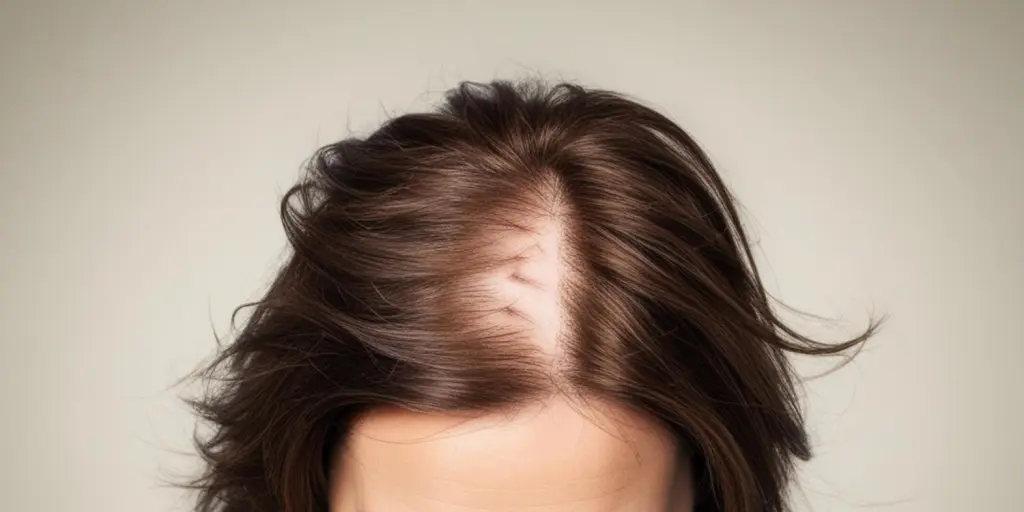
Seeing more hair than usual on your pillow, comb, or shower floor can be alarming, especially when the shedding seems to start out of nowhere. You may wonder if you are becoming bald or if something is seriously wrong with your health. In many cases, sudden and noticeable shedding can be linked to a temporary condition called telogen effluvium.
It happens when more hair follicles than usual enter the resting and shedding phase of the hair cycle, often after a physical or emotional stress on the body. The important part is that telogen effluvium is usually temporary.
Understanding what triggers it, how to recognise it, and when to seek professional help can make the situation much less worrying.
What Is Telogen Effluvium?
Telogen effluvium is a type of excessive hair shedding that occurs when a larger-than-normal number of hair follicles enter the telogen, or resting, phase at the same time. Normally, your hair follicles move through different stages of growth, transition, rest, and shedding. Most hairs are growing at any given time, while a smaller percentage are resting before eventually falling out.
When the body goes through a significant change or stress, some growing hairs can shift into the resting phase earlier than expected. The affected hairs do not necessarily fall immediately. Instead, the increased shedding may become noticeable several weeks or a few months after the event that triggered it. This delayed timing is one reason people often struggle to connect their current hair fall with something that happened earlier.
Why Does Telogen Effluvium Happen?
The trigger is not always the same for everyone. In some people, it follows an obvious event, while in others, several factors may contribute to the shedding.
Physical Illness or High Fever
A significant illness, infection, or high fever can put temporary stress on the body. Once the body begins recovering, the effect on the hair cycle may become visible later as increased shedding. This is one reason people may notice hair fall after they feel completely recovered from an illness.
Emotional or Psychological Stress
Periods of intense or prolonged stress can also affect the hair cycle. Major life changes, emotional distress, work pressure, or other stressful experiences may contribute to telogen effluvium. However, the shedding usually appears later rather than immediately when the stressful period begins.
Weight Loss and Restrictive Diets
Rapid weight loss or diets that do not provide enough calories, protein, iron, or other nutrients can affect hair growth. This is particularly relevant when someone suddenly changes their eating habits or follows a highly restrictive diet. Nutritional deficiencies may need to be assessed rather than simply treated with random supplements.
Pregnancy and Hormonal Changes
Hormonal changes can influence the hair cycle. Many women notice increased shedding a few months after giving birth as hormone levels change. This type of shedding is commonly temporary and generally improves as the hair cycle returns to its usual pattern.
Surgery, Medications and Other Changes
Major surgery, certain medications, thyroid problems, and stopping some hormonal medications can also be associated with telogen effluvium. This is why a proper evaluation should look at your recent health history rather than focusing only on the scalp.
What Does Telogen Effluvium Hair Loss Look Like?
One of the most noticeable signs is diffuse hair shedding. Instead of one clearly defined bald patch, you may see more hair coming out from different areas of the scalp.
You might notice:
- More hair on your pillow or clothes
- Increased hair fall while washing or brushing
- Hair collecting around the shower drain
- Overall reduction in hair volume
- A thinner-looking ponytail
- More scalp becoming visible because of reduced density
The scalp itself usually looks healthy, without significant redness, pain, burning, or scaling. Telogen effluvium generally does not produce the clearly defined bald patches seen in some other hair-loss conditions.
Why Does Hair Fall Months After a Stressful Event?
This delayed shedding can seem confusing, but it is related to how the hair cycle works.
When a trigger causes follicles to shift into the resting phase, the affected hairs may remain in the follicle for some time before they are eventually shed. As a result, you may experience a fever or illness, go through a stressful period, or lose weight, and only notice significant hair fall several weeks or months later.
This means it is useful to think back over the previous few months when trying to understand sudden shedding. What happened before the hair fall started may provide an important clue.
Is Telogen Effluvium Permanent?
In most cases, telogen effluvium is temporary. Once the underlying trigger is addressed and the hair cycle settles, shedding generally reduces and new growth begins. The timeline can vary, and it may take several months for hair density to visibly return.
However, not every case of sudden shedding is telogen effluvium. Conditions such as female or male pattern hair loss, alopecia areata, scalp disorders, thyroid problems, nutritional deficiencies, and other causes can produce similar concerns. Telogen effluvium can also occur alongside another type of hair loss, which is why persistent or significant shedding deserves proper assessment.
How Is Telogen Effluvium Diagnosed?
A hair specialist or dermatologist will usually begin by discussing your hair-loss pattern, recent illnesses, stress, diet, weight changes, medications, hormonal changes, and other health events.
The scalp may then be examined to determine whether the shedding is diffuse and whether there are signs of another scalp or hair disorder. A gentle hair-pull test may also be performed. Depending on your symptoms and medical history, your doctor may recommend blood tests to look for possible underlying problems such as nutritional deficiencies or thyroid disorders.
This evaluation matters because treating hair fall without knowing its cause may delay appropriate care.
How Is Telogen Effluvium Treated?
Treatment usually focuses on identifying and addressing the trigger rather than trying to stop every shed hair immediately.
If an illness, nutritional deficiency, thyroid problem, restrictive diet, medication, or another underlying factor is contributing to the shedding, managing that issue can help the hair cycle recover. A balanced diet with adequate protein and appropriate nutrients is also important for healthy hair growth.
Gentle hair care can also help while the hair is recovering. Avoid excessive brushing, harsh chemical treatments, very tight hairstyles, and unnecessary heat exposure. Most importantly, avoid starting high-dose vitamins or supplements without professional advice, because supplements are useful when a deficiency or specific need has been identified.
At Dr. Health, hair and scalp concerns are assessed individually. The clinic states that its hair-loss approach may include hair and scalp analysis, dietary advice, nutritional supplements when appropriate, personalised hair care, and medication based on the individual’s needs.
When Should You See a Hair Specialist?
A little hair shedding is normal, but a sudden and persistent increase deserves attention. Consider consulting a specialist if you are losing noticeably more hair than usual, the shedding continues for several months, your scalp becomes increasingly visible, or you develop bald patches.
You should also seek professional evaluation if the hair fall is accompanied by scalp itching, pain, redness, scaling, or other unusual changes. These signs may point towards a different scalp or hair condition that requires specific treatment.
Getting the cause identified can also prevent you from assuming that every episode of hair fall is simply due to stress. A proper assessment can distinguish telogen effluvium from other forms of hair loss and guide the next steps.
Conclusion
Sudden hair shedding can be frightening, but it does not always mean permanent hair loss. Telogen effluvium is commonly triggered by physical or emotional stress, illness, nutritional changes, hormonal shifts, or other changes affecting the body. The shedding often appears weeks or months after the trigger, making the cause easy to miss.
In many cases, the hair cycle gradually returns to normal once the underlying issue is addressed. If your hair fall is persistent, excessive, or accompanied by other scalp changes, a professional evaluation can help identify the actual cause and guide appropriate care.
Concerned about sudden hair fall? Consult the hair and scalp specialists at Dr. Health Clinic for a personalised assessment and guidance based on your hair-loss pattern and underlying concerns.

Dr. Shahid Shamsher is one of India’s first certified Trichologist practicing in the field of Trichology for 27 years and is recognized as one of the Best Hair Doctor in Bangalore. He is the only Trichologist in India to be simultaneously certified from the U.K, Australia, and India.
Dr. Shahid Shamsher is one of India’s first certified Trichologist practicing in the field of Trichology for 27 years and is recognized as one of the Best Hair Doctor in Bangalore. He is the only Trichologist in India to be simultaneously certified from the U.K, Australia, and India.

