
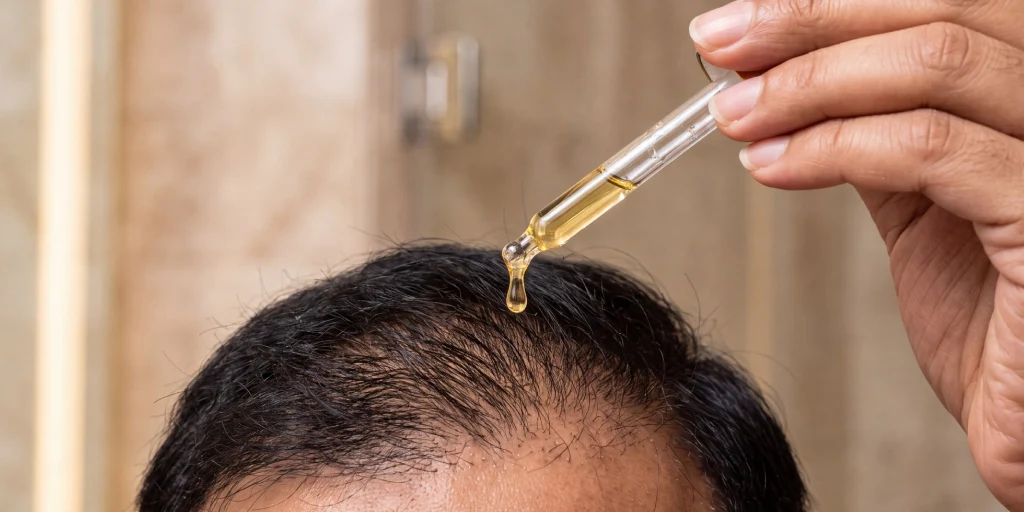
Dandruff can be frustrating, especially when white flakes appear on your shoulders or your scalp feels itchy just a day after washing your hair. With so many shampoos available, choosing the right one can feel confusing.
Some products focus on controlling excess oil, while others contain ingredients that help reduce flaking and scalp irritation. However, the best choice depends on what is causing your dandruff, your scalp type, and how sensitive your skin is.
In this blog, we will explore how anti-dandruff shampoo works, which ingredients to look for, and how to choose a product that suits your scalp care needs.
What Causes Dandruff?
Dandruff is a common scalp condition that causes visible flakes, itching, and sometimes irritation. It can develop when the scalp sheds skin cells more noticeably than usual. Excess oil, sensitivity to certain hair care products, and the activity of a naturally occurring yeast called Malassezia may contribute to the problem.
Dandruff is not necessarily a sign of poor hygiene. However, irregular washing can make flakes more noticeable, particularly when oil and dead skin cells accumulate on the scalp. Cold weather, stress, and certain skin conditions can also aggravate symptoms.
Understanding what causes your dandruff is an important first step because different scalp concerns may respond to different treatments.
H2: How to Choose the Right Anti-Dandruff Shampoo for Your Scalp
Choosing a shampoo involves more than picking a familiar brand or looking for a product that promises quick results. Pay attention to your scalp’s condition, the active ingredients, and how your hair responds to regular washing.
H3: 1. Identify Your Scalp Type
Your scalp type can influence which shampoo works best for you. An oily scalp may produce excess sebum, making flakes appear greasy or yellowish. A dry scalp, on the other hand, may feel tight and uncomfortable, with smaller flakes and less oil.
If your scalp becomes oily quickly, a suitable dandruff shampoo may help manage oiliness and flaking. For dry or sensitive scalps, consider a gentle formula that addresses dandruff without leaving your hair feeling excessively dry. If you are unsure whether you have dandruff or simply a dry scalp, a dermatologist can help identify the cause.
H3: 2. Check the Active Ingredients
The active ingredient is one of the most important factors to consider when selecting an anti-dandruff shampoo. Different ingredients work in different ways, so understanding their purpose can help you make an informed choice.
Ketoconazole: This antifungal ingredient helps control the yeast associated with dandruff and seborrheic dermatitis.
Zinc pyrithione: It helps reduce dandruff by targeting microorganisms associated with flaking.
Selenium sulfide: It helps control dandruff by reducing yeast activity and slowing excessive skin cell turnover.
Salicylic acid: It helps loosen and remove dead skin cells, making it useful for some forms of scaling and buildup.
Coal tar: It slows skin cell turnover and may help manage persistent scaling in certain scalp conditions.
These ingredients are not interchangeable in every situation. Your symptoms, the product formulation, and any underlying scalp condition should guide your choice.
H3: 3. Consider Your Hair Texture and Sensitivity
A shampoo may help your scalp while leaving your hair dry or difficult to manage. This is particularly worth considering if you have curly, coily, colour-treated, or naturally dry hair.
Choose a formula that suits both your scalp and hair care needs. If your hair is prone to dryness, you can use a suitable conditioner on the lengths and ends while keeping medicated shampoo focused on the scalp.
People with sensitive skin should also pay attention to fragrance and other ingredients that may trigger irritation. If a product causes persistent burning, redness, or discomfort, stop using it and seek appropriate advice.
H3: 4. Choose a Shampoo Based on Your Symptoms
Mild, occasional flaking may respond to regular washing and an appropriate over-the-counter dandruff shampoo. Persistent itching, greasy scales, or recurring flakes may require a product with a specific active ingredient.
For example, a shampoo containing salicylic acid may help loosen stubborn flakes, while an antifungal shampoo may be more suitable when yeast contributes to the problem. However, thick scales, significant redness, or persistent irritation can indicate another scalp condition that requires medical assessment.
Rather than trying several strong products at once, start with an appropriate option and follow its instructions. If symptoms continue, consider consulting a dermatologist.
H2: How to Use Anti-Dandruff Shampoo Correctly
Even a suitable shampoo may not work as expected if you do not use it correctly. Applying it directly to the scalp helps the active ingredients reach the area where dandruff develops.
Follow these simple steps:
Wet your hair and scalp thoroughly with lukewarm water.
Apply the recommended amount of shampoo and gently massage it into your scalp using your fingertips.
Leave the shampoo on for the time stated on the product label. Some medicated formulas require several minutes before rinsing.
Rinse thoroughly to remove the product and loosened flakes.
Use a suitable conditioner on your hair lengths if needed.
The frequency of use depends on the product, your scalp condition, and your hair texture. Some dandruff shampoos are intended for use several times a week, while others require a different schedule. Avoid using medicated products more frequently than directed, as this may irritate your scalp.
H2: Common Mistakes to Avoid When Choosing a Dandruff Shampoo
Small changes to your hair care routine can make managing dandruff easier. Avoid these common mistakes:
Choosing a shampoo based only on its brand: Check the active ingredient and whether it addresses your symptoms.
Switching products too quickly: Give a suitable shampoo the recommended trial period, following the label instructions.
Scratching the scalp: Frequent scratching can irritate the skin and cause discomfort.
Ignoring product instructions: Leaving shampoo on for too long or rinsing it off too soon may affect its use.
Using too many treatments together: Combining multiple medicated products without guidance can increase irritation.
Assuming every flake is dandruff: Dry scalp, eczema, psoriasis, and other conditions can cause similar symptoms.
If dandruff persists despite several weeks of appropriate shampoo use, or you experience severe itching, redness, swelling, pain, or patchy hair loss, consult a dermatologist. You may need a different treatment or an assessment for another scalp condition.
H2: When Should You Consult a Dermatologist for Dandruff?
Occasional dandruff can often be managed with suitable over-the-counter products and a consistent hair care routine. However, recurring symptoms deserve attention when they do not improve with appropriate treatment.
A dermatologist can examine your scalp, assess the pattern of flaking, and determine whether dandruff or another skin condition is responsible. Based on the findings, they may recommend a different medicated shampoo or additional treatment.
Professional guidance is especially helpful if your scalp remains irritated, the flakes are thick or widespread, or you notice unusual hair shedding. Identifying the underlying cause can help you avoid unsuitable products and choose a more appropriate care routine.
H2: Conclusion
Choosing the right anti-dandruff shampoo starts with understanding your scalp rather than simply picking a popular product. Consider your scalp type, look for suitable active ingredients, and follow the instructions for safe and effective use. Remember that persistent flakes or itching may sometimes indicate a condition other than ordinary dandruff.
If your symptoms continue despite appropriate care, a dermatologist can help identify the cause and recommend suitable treatment. With the right approach and a consistent routine, you can manage dandruff more effectively and care for your scalp with greater confidence.
Concerned about recurring dandruff or an itchy scalp? Consult Dr. Health Clinic for a professional scalp assessment and personalised guidance to help you choose appropriate hair and scalp care.

Dr. Shahid Shamsher is one of India’s first certified Trichologist practicing in the field of Trichology for 27 years and is recognized as one of the Best Hair Doctor in Bangalore. He is the only Trichologist in India to be simultaneously certified from the U.K, Australia, and India.
Dr. Shahid Shamsher is one of India’s first certified Trichologist practicing in the field of Trichology for 27 years and is recognized as one of the Best Hair Doctor in Bangalore. He is the only Trichologist in India to be simultaneously certified from the U.K, Australia, and India.

