Have you ever noticed dark patches on your face, stubborn acne marks that refuse to fade, or uneven skin tone despite following a regular skincare routine? These changes are often caused by hyperpigmentation, a common skin concern that affects people of different ages and skin types.
While hyperpigmentation is usually harmless, it can affect how your skin looks and sometimes make you feel less confident. The good news is that several treatment options can help reduce dark spots and improve skin appearance when the underlying cause is properly identified.
Understanding why pigmentation develops is the first step towards managing it. This blog explores what hyperpigmentation is, its common causes, different types, available treatments, and practical ways to prevent further skin darkening.
What Is Hyperpigmentation?
Hyperpigmentation is a skin condition in which certain areas become darker than the surrounding skin due to excess melanin production. Melanin is the natural pigment responsible for giving colour to your skin, hair, and eyes.
When pigment-producing cells, called melanocytes, become overactive, they produce additional melanin that accumulates in specific areas. This results in brown, black, or greyish patches that may appear on the face, neck, hands, or other parts of the body.
Hyperpigmentation can affect anyone, although it may be more noticeable and persistent in people with medium to darker skin tones. It is not contagious and generally does not cause physical discomfort.
What Causes Hyperpigmentation?
Several factors can trigger excess melanin production. Identifying the underlying cause helps determine which treatment approach may be most effective.
- Excessive Sun Exposure
Sun exposure is one of the leading causes of hyperpigmentation. Ultraviolet (UV) rays stimulate melanin production as the skin attempts to protect itself from damage. Over time, repeated exposure can lead to sunspots, freckles, and uneven pigmentation, particularly on exposed areas.
- Hormonal Changes
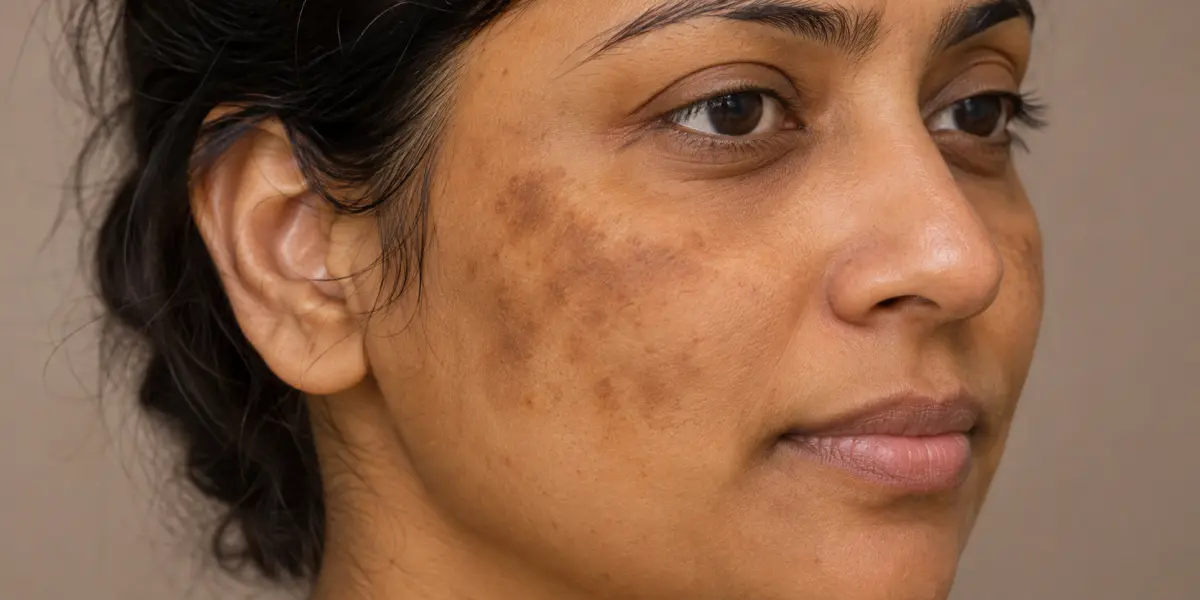
Hormonal fluctuations during pregnancy, menopause, or while taking certain hormonal medications can trigger pigmentation changes. These changes are commonly associated with melasma, which causes brown or greyish patches, especially across the cheeks, forehead, and upper lip.
- Acne and Skin Inflammation
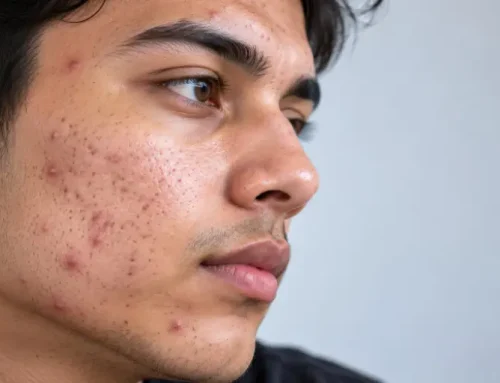
Have you noticed dark marks remaining after a pimple disappears? This happens because inflammation can stimulate excess melanin production during healing. Acne, eczema, burns, and minor skin injuries may leave pigmentation that persists long after the original problem settles.
- Genetics and Ageing
Genetics can influence how easily your skin develops pigmentation. Some people naturally have more freckles or are more prone to dark patches. As skin experiences years of sun exposure and ageing, pigmented spots may become increasingly noticeable.
- Medications and Medical Conditions
Certain medications can cause pigmentation as a side effect. Underlying conditions, including some hormonal and metabolic disorders, may also contribute to widespread skin darkening. Unexplained pigmentation should therefore be assessed rather than treated only as a cosmetic concern.
Different Types of Hyperpigmentation
Hyperpigmentation does not appear the same way in everyone. Understanding its different forms makes it easier to recognise the problem and seek appropriate treatment.
Melasma
Melasma produces larger, often symmetrical brown or grey-brown patches on the face. It commonly affects the cheeks, forehead, nose, and upper lip. Hormonal changes, sunlight, and genetic susceptibility are major contributing factors, making the condition particularly common among women.
Post-Inflammatory Hyperpigmentation
Post-inflammatory hyperpigmentation develops after the skin experiences irritation, injury, or inflammation. Dark marks following acne breakouts are a familiar example. These marks may gradually fade, but deeper pigmentation often takes longer and may require professional treatment.
Sunspots or Age Spots
Also called solar lentigines, these are relatively flat, darkened spots that develop after prolonged sun exposure. They commonly appear on the face, hands, shoulders, and arms. Unlike freckles, sunspots generally remain visible throughout the year.
Freckles
Freckles are small, brownish spots that usually appear on areas frequently exposed to sunlight. Genetics plays an important role in their development. They often become darker during sunny months and may lighten when sun exposure decreases.
How Is Hyperpigmentation Diagnosed?
Although many pigmentation concerns look similar, their underlying causes can be different. A dermatologist typically examines the distribution, colour, and depth of pigmentation while reviewing your medical history, skincare habits, and recent skin changes.
In some cases, specialised examinations, such as a Wood’s lamp assessment, may help evaluate pigmentation. Additional investigations may be recommended when an underlying medical condition is suspected.
An accurate diagnosis helps avoid unsuitable products or procedures that could worsen existing pigmentation.
Effective Treatment Options for Hyperpigmentation
The most suitable hyperpigmentation treatment depends on the type, severity, underlying cause, and individual skin characteristics. Some cases improve with topical products, while others require a more comprehensive approach.
Topical Creams and Serums
Dermatologists may recommend products containing vitamin C, azelaic acid, niacinamide, retinoids, or hydroquinone to help reduce visible dark spots. These ingredients work through different mechanisms, including regulating melanin production and supporting skin renewal.
Prescription-strength products should only be used under professional guidance because inappropriate application may cause irritation or worsen pigmentation.
Chemical Peels
Chemical peels use carefully selected solutions to exfoliate the skin and encourage renewal. They may help improve certain superficial pigmentation concerns. However, unsuitable peel strengths or aggressive procedures can increase pigmentation, particularly in darker skin tones.
Laser and Light-Based Treatments
Certain laser and light-based procedures target excess pigmentation within the skin. Their suitability depends on the pigmentation type and skin tone. Professional assessment is essential, as some treatments can aggravate melasma or trigger further pigmentation.
Treating Underlying Skin Conditions
When pigmentation develops after acne, eczema, or irritation, controlling the original condition is equally important. Otherwise, new dark spots may continue appearing even while older marks are being treated.
How to Prevent Hyperpigmentation
Preventing additional pigmentation is just as important as treating existing dark spots. A consistent skincare routine can make a noticeable difference over time.
- Apply broad-spectrum sunscreen with SPF 30 or higher daily, and reapply when outdoors.
- Use protective clothing, hats, and shade to minimise direct sunlight exposure.
- Avoid picking pimples or scratching irritated skin.
- Choose gentle skincare products suited to your skin type.
- Avoid excessive exfoliation and unprescribed skin-lightening creams.
- Consult a dermatologist when pigmentation persists, spreads, or changes unexpectedly.
For melasma, tinted sunscreen containing iron oxides may provide additional protection against visible light that can worsen pigmentation.
Can Hyperpigmentation Be Permanently Removed?
Some dark spots fade completely, while others improve gradually or return after treatment. Results depend on pigmentation depth, triggering factors, and consistency with recommended skincare.
Superficial post-inflammatory marks may fade over several months, whereas deeper pigmentation and melasma can require longer treatment and ongoing maintenance.
Patience is important because visible improvement rarely happens overnight. Regular sun protection and appropriate treatment help maintain results and reduce recurring pigmentation.
Conclusion
Hyperpigmentation is common, but it does not have to remain an ongoing skincare frustration. Whether caused by sunlight, hormonal changes, acne, or inflammation, understanding the underlying trigger makes treatment more effective.
Rather than experimenting with multiple products, focus on identifying your pigmentation type and following a suitable skincare plan. Professional guidance can help you choose treatments that improve skin appearance without causing unnecessary irritation.
Get Personalised Pigmentation Care at Dr. Health Clinic
Struggling with stubborn dark spots or uneven skin tone? Consult Dr. Health Clinic for a personalised pigmentation assessment and treatment approach tailored to your skin concerns and individual needs.

Dr. Pranjal Shamsher is the first Skin Doctor in Bangalore to offer natural, non-surgical and non-invasive treatments for skin disorders. She is a Registered Medical Practitioner (Registration No A-6515) and a true pioneer in Skin-Friendly Treatments.