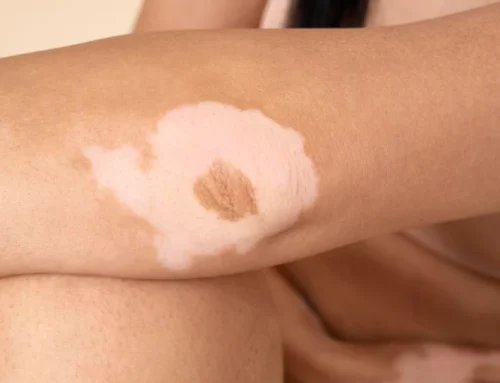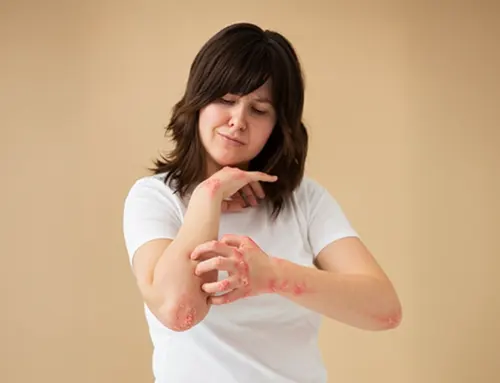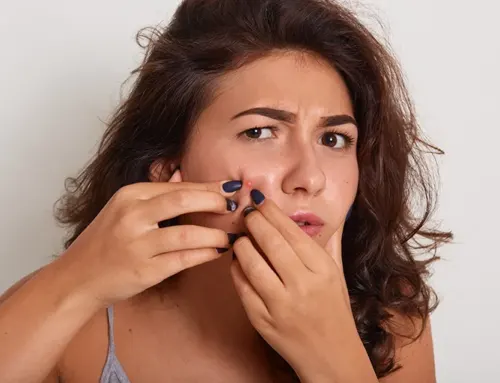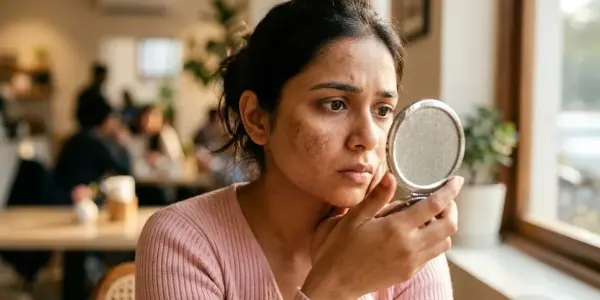
Have you ever looked in the mirror and wondered why your skin suddenly looks uneven, dull, or patchy? Pigmentation is something many people deal with, whether it appears as dark spots, acne marks, tanning, or uneven skin tone. It often affects confidence and makes people try one product after another without knowing what truly works. The good part is that healthy-looking skin does not always need expensive treatments. Some simple home remedies made with natural ingredients may help calm the skin and slowly reduce pigmentation.
In this blog, let’s explore easy and practical remedies that can fit naturally into your everyday skincare routine.
What Causes Pigmentation?
Pigmentation happens when the skin produces extra melanin. Melanin is the natural pigment that gives color to the skin. When the body produces too much of it in certain areas, dark patches or spots appear.
Many things can trigger pigmentation, including:
- Too much sun exposure
- Hormonal changes
- Acne scars
- Stress
- Aging
- Lack of skin care
- Certain medicines
- Skin irritation
Sometimes pigmentation fades slowly on its own, but in many cases, it needs regular care and attention.
Why Natural Remedies Help
Home remedies do not change the skin overnight. They work slowly and gently. Many natural ingredients contain vitamins, antioxidants, and soothing properties that may help reduce dark spots and support skin repair.
The biggest benefit of home remedies is that they are simple and budget-friendly. Most people already have these ingredients at home. When used properly, they can improve the skin’s texture and help the face look fresh and healthy.
Aloe Vera for Dark Spots
Aloe vera is one of the most popular natural remedies for pigmentation. It has soothing properties that may help calm the skin and reduce uneven patches.
How to Use
- Take fresh aloe vera gel from the leaf.
- Apply it directly to the affected area.
- Leave it overnight or for at least 30 minutes.
- Wash with cool water.
Using aloe vera daily may help the skin feel soft and refreshed. It is especially helpful for people with sensitive skin.
Lemon Juice for Skin Brightening
Lemon contains natural acids and vitamin C that may help lighten dark spots over time.
How to Use
- Mix a few drops of lemon juice with honey.
- Apply gently to pigmented areas.
- Leave it for 10 minutes.
- Wash thoroughly with water.
Do not use lemon directly on damaged or sensitive skin. Also, avoid stepping into sunlight immediately after using lemon because it may irritate the skin.
Turmeric and Milk Paste
Turmeric has been used in skincare for generations. It may help reduce dullness and support an even skin tone.
How to Use
- Mix one teaspoon of turmeric with milk.
- Make a smooth paste.
- Apply it to the face.
- Leave for 15 minutes and rinse.
This remedy can make the skin look fresh and glowing when used regularly.
Potato Juice for Pigmentation
Potato contains natural enzymes that may help reduce marks and tanning.
How to Use
- Grate a raw potato.
- Extract the juice.
- Apply it using cotton.
- Leave for 15 minutes before washing.
Potato juice feels cool on the skin and is easy to include in a daily routine.
Honey for Skin Repair
Honey is known for its moisturizing and calming properties. Dry skin often makes pigmentation look worse, so keeping the skin hydrated is important.
How to Use
- Apply raw honey directly to the skin.
- Leave for 15 to 20 minutes.
- Wash with lukewarm water.
Honey may help improve skin texture and support natural healing.
Yogurt for Uneven Skin Tone
Yogurt contains lactic acid, which may help remove dead skin cells gently.
How to Use
- Apply plain yogurt to the face.
- Leave it for 15 minutes.
- Rinse with water.
This simple remedy may help the skin appear brighter and smoother after regular use.
Tomato Pulp for Sun Tan
Tomato is rich in antioxidants and may help reduce tanning caused by sunlight.
How to Use
- Crush a fresh tomato.
- Apply the pulp to the skin.
- Leave for 15 minutes.
- Wash gently.
Tomato can leave the skin feeling fresh and cool, especially during hot weather.
Papaya for Natural Glow
Papaya contains natural enzymes that help remove dead skin cells and support clearer skin.
How to Use
- Mash ripe papaya into a paste.
- Apply evenly on the face.
- Leave for 20 minutes.
- Wash with water.
This remedy is simple and may help improve dull and uneven skin.
Sandalwood Paste for Calm Skin
Sandalwood has cooling properties that may help calm irritated skin and reduce the appearance of dark patches.
How to Use
- Mix sandalwood powder with rose water.
- Apply the paste to the face.
- Leave until dry.
- Wash gently.
Many people use this remedy to refresh tired-looking skin.
Importance of Sunscreen
No home remedy will work properly if the skin is constantly exposed to harsh sunlight. Sun exposure is one of the biggest reasons for pigmentation. Using sunscreen daily helps protect the skin from UV damage and prevents dark spots from becoming deeper. Choose a sunscreen with good SPF and apply it before stepping outside, even on cloudy days.
Lifestyle Habits That Support Healthy Skin
Home remedies work better when combined with healthy daily habits. Skin health is closely connected to lifestyle choices.
- Drink Enough Water: Water helps keep the skin hydrated and fresh from within.
- Eat Fresh Foods: Fruits and vegetables contain vitamins that support healthy skin.
- Sleep Well: Poor sleep can make the skin look dull and tired.
- Avoid Touching the Face Often: Dirty hands may spread bacteria and irritate the skin.
- Reduce Stress: Stress sometimes triggers skin problems and hormonal imbalance.
Things to Remember Before Trying Home Remedies
Home remedies may help support healthier-looking skin, but results can vary based on skin type and the cause of pigmentation. Using too many remedies together or applying harsh ingredients frequently may irritate the skin further.
It is always better to follow a gentle and consistent routine. If pigmentation continues to worsen or does not improve, seeking professional skin guidance is important for proper care and treatment.
Understanding When Pigmentation Needs Expert Attention
While home remedies may support mild pigmentation, some forms of pigmentation require professional skin care. If dark spots become stubborn, spread gradually, or continue returning despite regular care, consulting a dermatologist can help identify the underlying cause.
At Dr. Health Clinic, personalised pigmentation treatments are designed based on individual skin concerns to help improve uneven skin tone, dark patches, and overall skin health.

Dr. Pranjal Shamsher is the first Skin Doctor in Bangalore to offer natural, non-surgical and non-invasive treatments for skin disorders. She is a Registered Medical Practitioner (Registration No A-6515) and a true pioneer in Skin-Friendly Treatments.