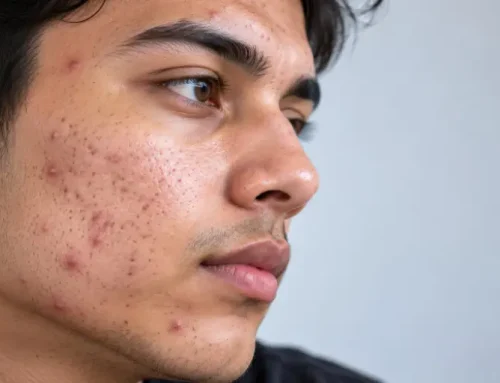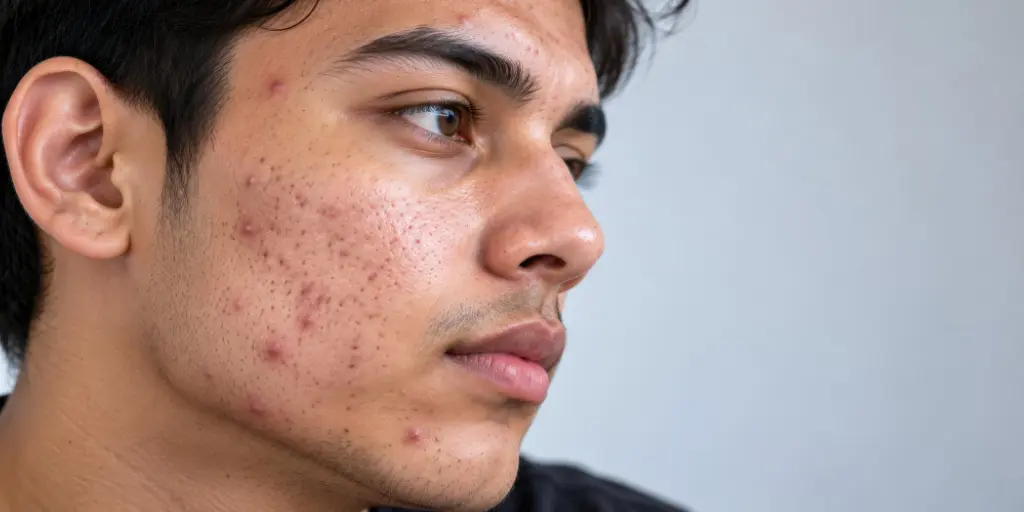
Have you noticed a small black spot or pimple on your face and wondered why it looks so dark? A black pimple can be confusing because it may actually be a blackhead, a healing pimple, or a dark mark left after acne. Knowing the difference matters because each one needs a different approach. Trying to squeeze, scrub, or peel it away can sometimes make the problem worse. The good news is that most black spots linked to acne can be managed with the right skin care and treatment.
Let us look at why black pimples happen, what you can do at home, and when it is time to see a dermatologist.
What Is a Black Pimple?
“Black pimple” is not a medical term. People usually use it to describe a blackhead, a dark-looking pimple, or a dark spot left behind after a pimple heals.
A blackhead is a clogged pore that stays open at the surface. Oil, dead skin cells, and other material collect inside the pore. When the contents come into contact with air, they oxidise and turn dark. A blackhead is not simply dirt sitting on your skin.
A pimple can also become dark as it heals. In many people, especially those with medium to darker skin tones, acne can leave a flat brown or dark spot after the inflammation goes away. This is called post-inflammatory hyperpigmentation.
So before treating a black pimple, first ask: Is it a blackhead, an active pimple, or a dark acne mark?
Why Do Black Pimples Appear on the Face?
There is usually more than one reason. Acne starts when pores become clogged, but several factors can make this more likely.
1. Excess oil
Your skin naturally produces oil. When too much oil mixes with dead skin cells, it can block the opening of a pore. This may lead to blackheads and other types of acne.
2. Dead skin cells
Your skin constantly sheds old cells. Sometimes these cells build up with oil inside a pore. If the pore remains open, the clog can appear black.
3. Hormonal changes
Hormones can increase oil production. This is one reason acne is common during the teenage years. Hormonal changes can also contribute to breakouts in adults.
4. Skin and hair products
Heavy creams, makeup, hair oils, conditioners, and styling products may contribute to clogged pores in some people. Hair products can be especially troublesome around the forehead and hairline. Look for products labelled non-comedogenic or won’t clog pores if you are prone to acne.
5. Picking or squeezing pimples
You may feel tempted to remove a black pimple with your fingers. But squeezing can irritate the skin and increase the chance of dark marks and scars.
Blackhead or Dark Pimple? Know the Difference
A “black pimple” can mean different things. Look at its appearance and feel to understand what you may be dealing with.
| Skin Concern | What It Looks Like | How It Feels | What It Means |
|---|---|---|---|
| Blackhead | A small black or dark dot in an open pore | Usually not painful; may feel slightly rough | Oil and dead skin cells have clogged the pore and darkened when exposed to air |
| Inflamed Pimple | Red, swollen, or sometimes filled with pus | Tender or painful | The clogged pore has become inflamed |
| Dark Acne Mark | A flat brown, black, or dark spot | Usually smooth and not painful | Pigmentation left behind after a pimple heals |
| Deep Acne | A large lump under the skin | Often painful or tender | A deeper form of acne, such as a nodule or cyst, which may cause scarring |
How to Get Rid of a Black Pimple on Your Face
The right treatment depends on what is causing the dark spot.
Start with gentle cleansing
Wash your face with a mild cleanser. Use your fingertips rather than a rough scrub or brush. Scrubbing harder does not remove a blackhead faster. It can irritate your skin and make acne worse.
Wash your face regularly, especially after sweating, but avoid repeatedly washing it throughout the day.
Try salicylic acid for clogged pores
Salicylic acid can help clear clogged pores by removing dead skin cells and reducing the build-up inside pores. It is commonly found in acne cleansers and other acne products.
If you have sensitive skin, start slowly. Using too much too often can cause dryness or irritation.
Consider a retinoid for recurring blackheads
Retinoids can help keep pores from becoming clogged and may reduce blackheads and new breakouts. Adapalene is one retinoid available without a prescription in some places.
However, retinoids can irritate the skin. If you are unsure whether one is suitable for you, speak with a dermatologist before starting it.
Protect your skin from the sun
If a pimple has left a dark mark, daily sun protection matters. Sun exposure can make pigmentation more noticeable and slow the process of fading dark spots.
A broad-spectrum sunscreen with SPF 30 or higher is commonly recommended. If your skin is acne-prone, choose a non-comedogenic product.
Give the skin time
One of the biggest mistakes people make is changing products every few days.
Acne treatment does not usually work overnight. Dermatologists note that it can take several weeks to see improvement, and some acne treatments need around six to eight weeks before their effect can be properly judged.
A simple routine followed consistently is often more useful than using many products at once.
What Should You Avoid?
If you have a black pimple, avoid trying to force it out. Do not use your nails to scratch or squeeze it. Avoid harsh scrubs, strong soaps, and random home remedies that burn or irritate the skin.
Be careful with DIY chemical peels and strong skin-lightening products too. Irritation can make dark marks more noticeable, particularly in darker skin tones. The goal is not to make the spot disappear in one day. The goal is to clear the cause without damaging the surrounding skin.
When Should You See a Dermatologist?
A few blackheads can often be managed with a suitable skin care routine. But professional help can be useful when the problem keeps returning or does not improve.
Consider seeing a dermatologist if:
- Blackheads keep appearing despite regular skin care.
- You have many pimples or frequent breakouts.
- Pimples are painful or deep under the skin.
- Your acne is leaving dark marks.
- You are developing acne scars.
- Over-the-counter products are irritating your skin.
- You cannot tell whether the spot is a blackhead, pimple, or something else.
Persistent acne may need prescription treatment or procedures chosen according to your skin and the type of acne you have.
How Can a Dermatologist Help With Black Pimples?
A dermatologist first looks at the type and severity of your acne. This matters because blackheads, inflammatory pimples, acne scars, and pigmentation marks are not treated in the same way.
At Dr. Health Clinic, acne and pimple treatment may include topical treatments, oral medicines, chemical peels, and laser-based treatments depending on the patient’s skin concern. The clinic also offers treatment for acne scars and pigmentation.
Professional treatment can be particularly helpful when acne keeps coming back or when breakouts are starting to leave lasting marks.
Conclusion
Your skin often shows signs before a problem becomes difficult to manage. Persistent breakouts, stubborn marks, or changes that do not improve deserve more than trial and error. The right approach starts with understanding what your skin needs and acting at the right time. If the problem keeps returning, professional advice can help protect your skin today and prevent avoidable concerns tomorrow.
Concerned about recurring pimples or dark spots? Consult the skin specialists at Dr. Health Clinic for personalised guidance and the right treatment for your skin.
Frequently Asked Questions

Dr. Pranjal Shamsher is the first Skin Doctor in Bangalore to offer natural, non-surgical and non-invasive treatments for skin disorders. She is a Registered Medical Practitioner (Registration No A-6515) and a true pioneer in Skin-Friendly Treatments.