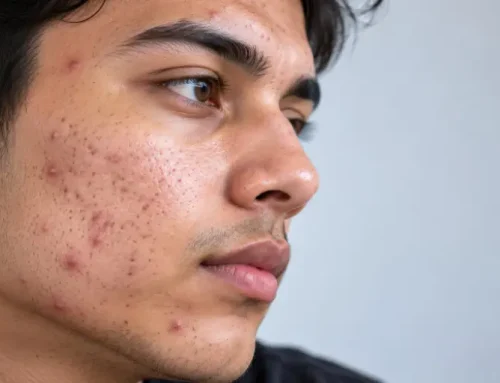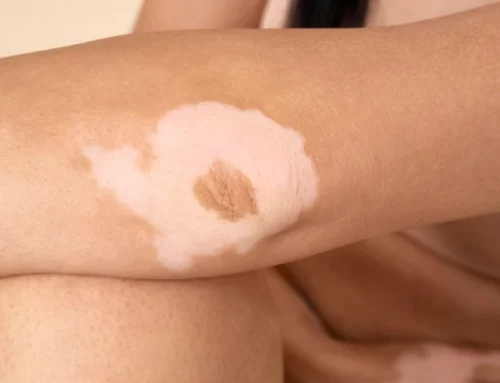
Dark spots can make your skin tone look uneven even when the rest of your skin is clear. This often leads people to try facials, scrubs, brightening creams, and home remedies in the hope of getting a more even complexion. But can a facial really reduce pigmentation? The answer depends on what is causing the pigmentation and how deep it is in the skin. Some facials may improve dullness and give the skin a fresher appearance, but they may not be enough for stubborn pigmentation. Understanding what a facial can and cannot do can help you choose the right approach instead of spending time and money on treatments that may not address the actual concern.
What Causes Pigmentation on the Face?
Pigmentation develops when the skin produces more melanin, the pigment responsible for skin colour, in certain areas.
Several things can trigger this change.
- Sun exposure is one of the most common causes. UV rays can stimulate melanin production and make existing dark spots more noticeable.
- Acne and skin inflammation can also leave dark marks behind. This is particularly common after pimples, especially when they are picked or squeezed.
- Hormonal changes may lead to melasma, which often appears as brown or greyish patches on the cheeks, forehead, nose, or upper lip.
Skin irritation can also make pigmentation worse. Strong products, frequent scrubbing, or treatments that do not suit your skin may cause inflammation and leave darker areas behind. This is why treating pigmentation is not simply about making the skin “brighter”. The cause needs to be considered first.
Can a Facial Help With Pigmentation?
A facial can help improve the overall appearance of the skin, but it is important to have realistic expectations.
Depending on the type of facial, treatment may remove surface build-up, improve skin hydration, and make dull skin appear fresher. Some professional facials may also include ingredients or procedures that help improve the appearance of mild pigmentation.
However, a facial may not remove pigmentation at its source. If the dark spots are caused by melasma, repeated acne, deeper pigmentation, or ongoing sun exposure, a basic facial may offer only temporary improvement.
Think of it this way: a facial may improve how your skin looks, but persistent pigmentation often needs a more targeted plan.
Facial vs Pigmentation Treatment: What Is the Difference?
These treatments are often confused, but they are not necessarily the same.
| Facial | Pigmentation Treatment |
|---|---|
| Mainly focuses on skin appearance and surface care | Focuses on reducing specific pigmentation concerns |
| May improve dullness and dryness | Targets uneven pigmentation more directly |
| Can make skin look fresher | Aims to improve persistent dark spots or patches |
| Results may be temporary | Treatment may require multiple sessions or ongoing skin care |
| Often used as part of general skin care | Usually chosen after assessing the type and cause of pigmentation |
The right option depends on your skin, the type of pigmentation, and how long you have had it.
Which Types of Pigmentation May Improve With Professional Facials?
Mild Sun Spots
Small areas of pigmentation caused by regular sun exposure may improve with suitable skin treatments and strict sun protection. However, persistent spots may need a more targeted dermatological approach.
Post-Acne Dark Marks
Dark marks left after acne may gradually fade. Professional skin treatments can sometimes be used as part of a broader plan, particularly when marks are persistent.
Uneven Skin Tone
If your main concern is dull or uneven-looking skin rather than deep pigmentation, a suitable facial may help improve the overall appearance.
Melasma
Melasma needs more care. It can be triggered by sunlight and hormonal changes and may return even after improvement. A standard facial should not be considered a complete treatment for melasma.
What Types of Facials Are Used for Pigmentation?
There is no single facial that works for everyone. Depending on your skin condition, a dermatologist or skin professional may recommend treatments that include exfoliating ingredients, chemical peels, or other procedures designed to improve pigmentation and skin texture.
Chemical peels, for example, use a chemical solution to remove damaged outer layers of skin. Different peels work at different depths and are selected according to the concern being treated.
But stronger does not always mean better. Using an overly strong peel or unsuitable treatment can irritate the skin. In some people, irritation can trigger more pigmentation rather than less. The safest choice is based on your skin type, pigmentation, sensitivity, and medical history.
Can a Facial Remove Pigmentation Permanently?
No facial can promise permanent removal of every pigmentation problem. Even when a treatment improves dark spots, new pigmentation can develop if the original trigger continues.
For example, continued sun exposure can encourage more pigment production. Acne can leave new marks. Melasma can also return in some people.
That is why pigmentation care usually involves more than a single treatment session. The long-term goal is to reduce existing pigmentation, limit new pigment formation, and protect the skin from factors that can bring the problem back.
Why Is Sunscreen Important After Pigmentation Treatment?
This is one step that should not be ignored. Sun exposure can make pigmentation darker and can interfere with efforts to improve an uneven skin tone. Daily sunscreen helps protect the skin from UV radiation.
Choose a broad-spectrum sunscreen with an SPF of 30 or higher and apply it as directed. If you spend a lot of time outdoors, reapplication is also important. Sunscreen is not only something to use after a facial. It should be part of your regular skin care routine when pigmentation is a concern.
What Should You Avoid for Pigmentation?
Trying to remove dark spots quickly can sometimes make them harder to treat. Avoid aggressive scrubbing. It can irritate the skin without addressing the cause.
Do not keep changing products every few days because you do not see immediate results. Be careful with home remedies that contain acidic or irritating ingredients. Something that feels harmless in the kitchen may not be suitable for facial skin.
Most importantly, avoid picking acne. A pimple that heals on its own may leave a mark, but squeezing it can increase inflammation and raise the risk of pigmentation and scarring.
When Should You See a Dermatologist?
A professional assessment is worth considering when pigmentation:
- Keeps returning
- Is becoming darker or spreading
- Has not improved with regular skin care
- Appeared without an obvious reason
- Is affecting your confidence
- Appears as larger patches rather than individual marks
- Comes with ongoing acne or skin irritation
A dermatologist can assess the pattern and likely cause before suggesting treatment. This can save you from repeatedly trying facials or products that may not be suitable for your particular concern.
What Treatments Can Help With Facial Pigmentation?
Treatment depends on the cause, skin type, and severity of pigmentation. A dermatologist may recommend a combination of skin care and in-clinic treatments. These can include topical medicines, chemical peels, laser-based procedures, or other treatments when appropriate.
At Dr. Health Clinic, pigmentation and uneven skin tone can be assessed based on the individual’s skin concern before deciding on a suitable treatment approach. The clinic also provides treatment options for acne, acne marks, and other skin concerns.
The important point is that pigmentation should not be treated with a one-size-fits-all solution. What works for one person may not be suitable for another.
Conclusion
Healthy, even-looking skin is not about chasing instant results. It is about making informed choices that suit your skin and its needs. If pigmentation has become a persistent concern, taking the right step now can help you feel more confident about your skin in the long run.
Want to improve pigmentation and uneven skin tone? Speak with the experts at Dr. Health Clinic for personalised skin care and treatment guidance.
Frequently Asked Questions

Dr. Pranjal Shamsher is the first Skin Doctor in Bangalore to offer natural, non-surgical and non-invasive treatments for skin disorders. She is a Registered Medical Practitioner (Registration No A-6515) and a true pioneer in Skin-Friendly Treatments.