What Is Hyperpigmentation?
Hyperpigmentation is a condition in which certain areas of the skin become darker than the surrounding skin. It happens when the skin produces excess melanin or when pigment builds up in particular areas.
Melanin is the natural pigment that gives your skin, hair and eyes their colour. When its production or distribution changes, dark spots or patches may appear.
Hyperpigmentation can affect the face, neck, hands, arms and other parts of the body. It may appear as small spots, larger patches or areas of uneven skin tone.
Some common types include:
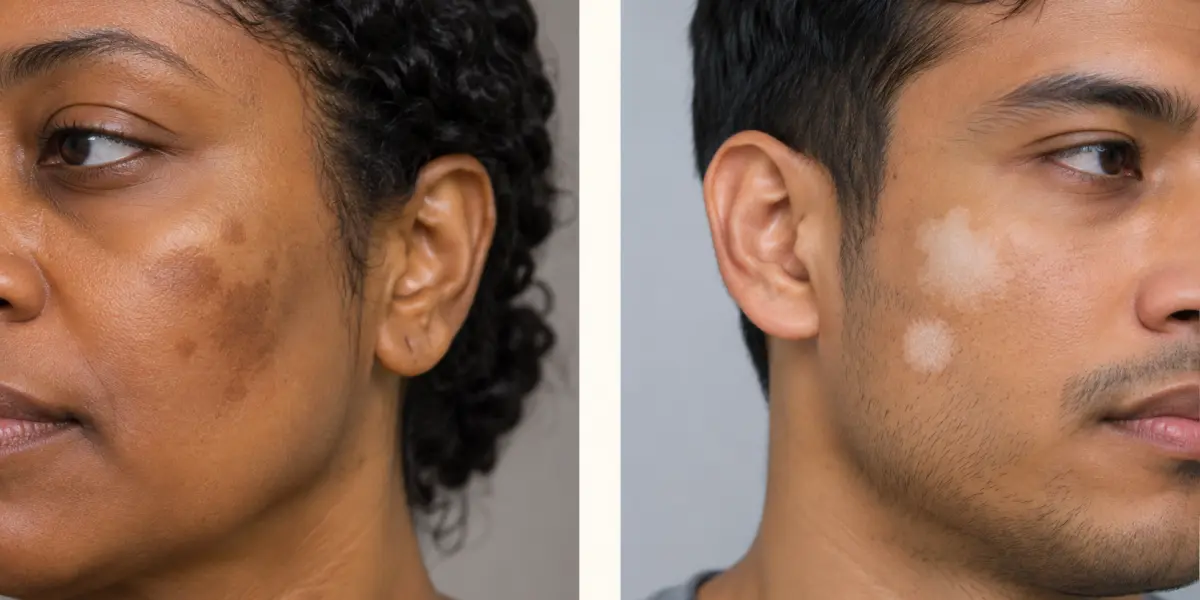
- Melasma: Brown or grey-brown patches that commonly appear on the cheeks, forehead, nose and upper lip. Hormonal changes and sun exposure can contribute to it.
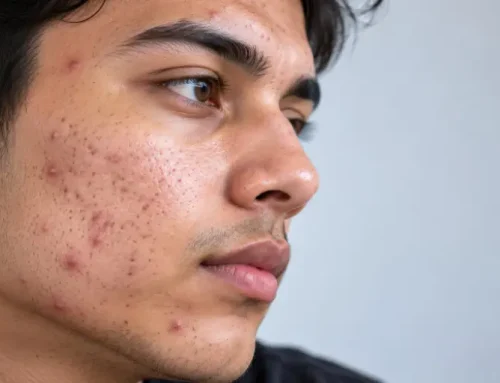
- Post-inflammatory hyperpigmentation (PIH): Dark marks that develop after acne, eczema, injuries, burns or other skin inflammation.
- Sunspots: Brown spots that develop on sun-exposed areas due to long-term ultraviolet exposure.
- Acanthosis nigricans: Dark, thickened and sometimes velvety skin, commonly seen around the neck, armpits and groin. It can be associated with insulin resistance.
Hyperpigmentation is usually harmless, but sudden or unusual changes in skin colour should be checked by a dermatologist.
What Is Hypopigmentation?
Hypopigmentation refers to areas of skin that become lighter than the person’s natural skin tone. It occurs when the skin produces less melanin or when pigment-producing cells are damaged or not working properly.
These lighter areas may appear as small spots, pale patches, or larger areas across the body. Their appearance depends on the underlying cause.
Common conditions associated with hypopigmentation include:
- Vitiligo: A condition in which the immune system attacks pigment-producing cells, causing clearly defined white patches on the skin.
- Pityriasis alba: A common skin condition that causes pale, slightly dry patches, particularly on the face. It is often seen in children.
- Tinea versicolor: A fungal skin condition that can cause lighter or darker patches, commonly on the chest, back, neck and shoulders.
- Post-inflammatory hypopigmentation: Lighter patches that develop after skin inflammation, injuries, or certain skin conditions.
It is important to remember that lighter patches do not always mean vitiligo. Different conditions can look similar but need different treatments.
Difference Between Hyperpigmentation and Hypopigmentation
The main difference is the amount of pigment in the affected skin. Hyperpigmentation causes darker areas, while hypopigmentation causes lighter areas.
Here is a simple comparison:
| Feature | Hyperpigmentation | Hypopigmentation |
|---|---|---|
| Skin appearance | Darker patches or spots | Lighter patches or spots |
| Melanin | Increased or uneven pigment | Reduced pigment |
| Common causes | Sun exposure, hormones, inflammation | Skin inflammation, infections, pigment cell damage |
| Common conditions | Melasma, sunspots, PIH | Vitiligo, pityriasis alba, post-inflammatory changes |
| Treatment | Pigment-targeting creams, selected procedures and sun protection | Treatment of the underlying cause and selected repigmentation therapies |
Both conditions can affect people of all skin tones. However, pigment changes may be more noticeable in people with darker skin.
What Causes Hyperpigmentation and Hypopigmentation?
Several factors can affect how much melanin your skin produces. Sometimes, the change happens gradually. In other cases, it appears after an injury, infection or skin condition.
Causes of Hyperpigmentation
- Sun Exposure
Ultraviolet (UV) rays stimulate melanin production as part of the skin’s natural defence. Repeated exposure can lead to dark spots, uneven skin tone and sun-related pigmentation.
- Hormonal Changes
Changes in hormone levels, particularly during pregnancy, can contribute to melasma. Hormonal medication may also play a role in some cases.
- Acne and Skin Inflammation
When acne, eczema, or another inflammatory condition heals, it may leave dark marks behind. This is known as post-inflammatory hyperpigmentation.
- Certain Medications
Some medicines can cause changes in skin colour as a side effect. A doctor can help identify whether a medication may be contributing to pigmentation.
Causes of Hypopigmentation
- Autoimmune Conditions
Vitiligo is linked to an immune response that damages melanocytes, the cells responsible for producing melanin. This results in white patches on the skin.
- Fungal Infections
Tinea versicolor develops when a yeast that naturally lives on the skin grows excessively. It can interfere with normal pigmentation and cause lighter or darker patches.
- Skin Injuries and Burns
Burns, cuts, and other forms of skin damage may affect pigment-producing cells. This can leave lighter areas after the skin heals.
- Previous Skin Conditions
Conditions such as eczema and psoriasis may sometimes leave lighter patches after inflammation settles.
What Are the Symptoms to Look For?
The appearance of pigmentation changes depends on the underlying condition.
Signs of Hyperpigmentation
- Brown, dark brown or grey patches.
- Dark marks left after acne or skin irritation.
- Uneven skin tone across the face or body.
- Dark patches on the cheeks, forehead or upper lip.
- Darkened skin in areas exposed to sunlight.
Signs of Hypopigmentation
- White or pale patches on the skin.
- Areas that look lighter than the surrounding skin.
- Patches that gradually increase in size.
- Colour changes after an infection, injury, or skin inflammation.
- Dryness or mild scaling in some conditions.
Some pigment changes may occur without itching or pain. However, if patches spread quickly, change in appearance, or develop with other symptoms, seek medical advice.
How Are Hyperpigmentation and Hypopigmentation Diagnosed?
A correct diagnosis is important because treating the wrong condition can delay improvement or sometimes make the problem worse. A dermatologist may use the following methods:
- Skin Examination: The doctor checks the colour, size, shape, and location of the affected areas. They may also ask when the changes started and whether you have experienced acne, irritation, infections, or sun exposure.
- Wood’s Lamp Examination: This special ultraviolet light helps the doctor examine pigment changes and identify how deeply the skin is affected. It can also help assess certain conditions, including vitiligo.
- Dermoscopy: A handheld magnifying device helps the dermatologist examine skin patterns and pigment distribution more closely.
- Skin Biopsy: In selected cases, a small skin sample may be taken for laboratory examination when the diagnosis is unclear.
Not everyone needs all these tests. The doctor will recommend them based on the skin changes and medical history.
What Are the Treatment Options?
There is no single treatment that works for every type of pigmentation. The right approach depends on what is causing the colour change, how long it has been present and which areas are affected.
Treatment for Hyperpigmentation
- Topical creams: Dermatologists may recommend ingredients such as azelaic acid, retinoids, vitamin C or hydroquinone for suitable conditions.
- Chemical peels: Selected chemical peels help remove damaged surface skin cells and improve certain types of pigmentation.
- Laser treatments: Specific laser procedures may target excess pigment in selected patients.
- Sun protection: Broad-spectrum sunscreen with SPF 30 or higher helps prevent further darkening and supports treatment results.
Treatment for Hypopigmentation
- Treating the underlying condition: Fungal infections, eczema, and other causes need condition-specific treatment.
- Topical medication: Dermatologists may prescribe corticosteroids or calcineurin inhibitors for selected conditions, including vitiligo.
- Phototherapy: Controlled ultraviolet treatment, such as narrowband UVB, may help restore pigment in some people with vitiligo.
- Cosmetic camouflage: Skin-coloured products can help reduce the visible contrast between affected and normal skin.
Treatment results vary. Some conditions improve gradually, while others require long-term care. Areas where pigment-producing cells have been permanently damaged may not regain their original colour.
How Can You Prevent Pigmentation Changes?
Not every pigmentation condition can be prevented. However, a few daily habits can reduce the risk of some common pigment changes.
- Apply broad-spectrum sunscreen with SPF 30 or higher every day.
- Reapply sunscreen when outdoors for extended periods.
- Avoid picking acne, scratching the skin, or squeezing pimples.
- Use gentle skincare products that suit your skin type.
- Avoid unprescribed bleaching creams and harsh home remedies.
- Seek treatment for acne, eczema, and skin infections early.
- Follow your dermatologist’s advice after chemical peels or other skin procedures.
If you already have pigmentation, avoid trying multiple active ingredients at once. Some products can irritate the skin and make dark marks worse.
When Should You Consult a Dermatologist?
A change in skin colour may seem like a small concern, but it can sometimes point to an underlying skin condition.
Consider consulting a dermatologist if you notice:
- Dark or light patches that continue to spread.
- White patches appearing on different body parts.
- Pigmentation that develops without a clear reason.
- Dark marks that do not improve with regular skincare.
- Skin colour changes accompanied by itching, scaling, or irritation.
- Sudden changes in a mole or dark spot.
Early assessment can help identify the cause and prevent unnecessary treatments. It also helps your dermatologist choose an approach that suits your skin.
Conclusion
Hyperpigmentation and hypopigmentation may both change your natural skin tone, but they develop for different reasons. One causes darker patches due to increased or uneven pigment, while the other creates lighter areas due to reduced pigment. Understanding this difference is the first step towards choosing the right care. From sun protection and prescription creams to specialised dermatology treatments, several options are available depending on the cause. Avoid guessing the condition or trying strong products without medical advice. A proper diagnosis can help you manage pigmentation safely and work towards healthier-looking skin.
Noticing dark or light patches on your skin? Book a consultation at Dr. Health Clinic to get your skin assessed by a dermatologist and discuss a treatment plan suited to your needs.
Frequently Asked Questions

Dr. Pranjal Shamsher is the first Skin Doctor in Bangalore to offer natural, non-surgical and non-invasive treatments for skin disorders. She is a Registered Medical Practitioner (Registration No A-6515) and a true pioneer in Skin-Friendly Treatments.