That small pimple may disappear in a few days, but the mark it leaves behind can stay for much longer. If you have noticed a red, brown, or dark spot after a zit, you may wonder if it is a scar or simply a mark that will fade.
The answer depends on what happened beneath the skin as the pimple healed. Picking, squeezing, deep inflammation, and sun exposure can all affect how long the mark stays. Understanding the difference between a temporary acne mark and a true scar can help you choose the right care and avoid making the problem worse.
What Is a Zit Scar?
A zit scar is a change left on the skin after an acne breakout heals. However, not every mark left by a pimple is actually a scar.
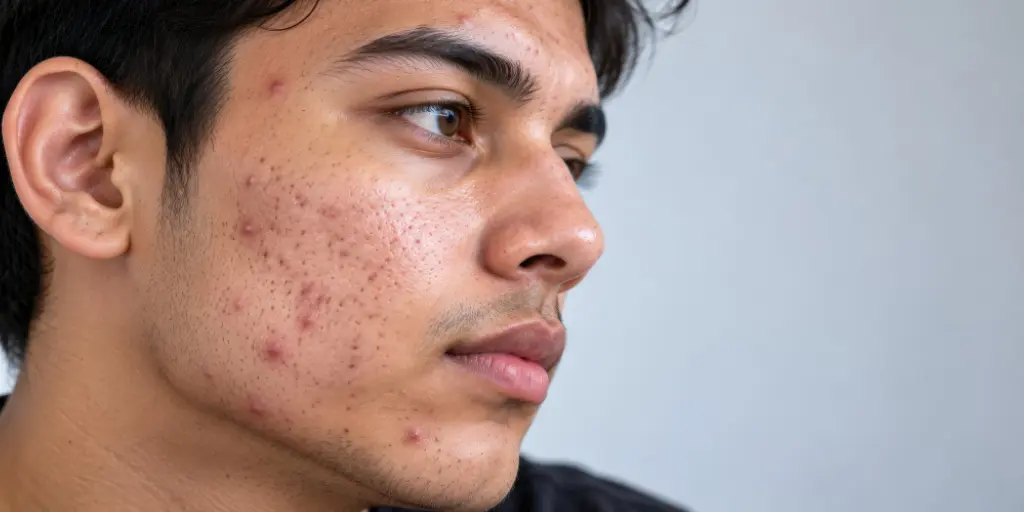
You may notice a flat red, pink, brown, purple, or dark spot where the pimple once was. This is often a post-acne dark mark rather than a permanent scar. These flat marks can slowly clear as the skin heals. Some may take several months, and darker spots can last a year or longer.
A true acne scar is different. It changes the skin’s texture. You may see a small depression, pit, or raised area where the acne was. This difference matters because the two problems need different approaches.
What Causes Zit Scars?
- Deep and painful acne
A small surface pimple may heal without leaving a lasting mark. Deep acne, such as painful cysts and nodules, can cause more inflammation inside the skin.
When inflammation reaches deeper layers, the skin has a greater chance of developing a scar. The deeper the acne goes, the greater the risk of scarring. - Picking or squeezing pimples
It can be difficult to leave a pimple alone, especially when it looks ready to pop. But squeezing it can cause more inflammation and damage the skin.
Picking can also push the contents of a pimple deeper into the surrounding skin. This can increase the chance of both dark marks and scars.
If you have a new pimple, keeping your hands away from it is one of the simplest things you can do to reduce the risk of a lasting mark. - Too much inflammation
Acne is not just about a blocked pore. When a breakout becomes red, swollen, and painful, the skin is dealing with inflammation.
After the pimple settles, that inflammation can leave behind a dark or red area. People with medium to darker skin tones are more likely to develop dark marks called post-inflammatory hyperpigmentation after acne. - Sun exposure
Sun exposure can make dark marks more noticeable and may slow their fading. This is why sun protection matters even after the pimple itself has disappeared. Regular sunscreen use can help protect against dark spots and support the fading process. - Your skin’s healing process
Everyone’s skin heals differently. Some people may have a pimple disappear without leaving a trace. Others may be left with a dark mark or a change in skin texture.
Your skin tone, the depth of the acne, how much inflammation occurred, and whether the area was picked can all affect what remains after the breakout.
How Long Does a Zit Scar Take to Fade?
There is no single timeline that applies to everyone. If the mark is flat and only changes the colour of your skin, it may fade gradually on its own. Some acne-related dark spots can remain for months, while darker or deeper pigmentation may take a year or longer to clear.
A true acne scar is different. Depressed or raised scars may become less noticeable over time, but they usually do not disappear completely on their own. So, if you are looking at your skin and asking, “How long will this zit scar take to fade?”, first check whether you are seeing a colour change or a texture change.
Flat mark: Usually fades gradually.
Indented or pitted scar: May need professional treatment.
Raised scar: May need assessment and treatment.
This simple distinction can save you from waiting for months for a scar to fade when it may need a different approach.
How Can You Help a Zit Mark Fade?
Protect your skin from the sun
Use a broad-spectrum sunscreen with SPF 30 or higher. If you have darker skin and are dealing with pigmentation, a tinted sunscreen containing iron oxide may offer additional protection against visible light that can worsen dark spots.
Make sunscreen part of your everyday routine rather than something you use only when spending a day outdoors.
Do not pick new pimples
The best time to prevent an acne scar is before it develops. Avoid squeezing, scratching, or repeatedly touching active acne. Treating acne early can also help reduce the chance of developing new dark spots and scars.
Keep your routine gentle
Harsh scrubs and too many strong products can irritate the skin. Irritation may make redness and pigmentation more noticeable.
Use gentle skin care and give acne treatments enough time to work instead of changing products every few days. Dermatologists note that acne treatments may take several weeks to a few months before you see a clear difference.
Consider treatment for stubborn marks
If dark marks remain for a long time, a dermatologist can check the cause and suggest suitable treatment. Depending on the skin and the type of pigmentation, treatment may include prescription creams or other options.
For mild acne scarring, dermatologists may also use treatments such as retinoids or salicylic acid
What If You Have Pitted Acne Scars?
- Pitted scars do not simply mean that your skin is still healing from a pimple. They happen when acne damages deeper skin tissue and the skin does not rebuild the area evenly.
- Different types of depressed scars may look like small holes, wider depressions, or uneven areas.
- Treatment depends on the type and depth of the scar. A dermatologist may consider options such as microneedling, chemical peels, laser treatment, fillers, or scar procedures. Some treatments work by helping the skin build new collagen, while others target the scar directly.
- There is no single acne scar treatment that works in the same way for everyone. A dermatologist usually looks at the scar type, skin tone, number of scars, and overall skin condition before suggesting treatment.
When Should You See a Dermatologist?
Consider seeing a dermatologist if:
- Your acne keeps coming back.
- Dark marks are not improving after several months.
- You have deep or painful acne.
- You have pitted or raised scars.
- Your acne is leaving new marks after every breakout.
- Home care is irritating your skin.
- The marks are affecting your confidence.
Treating active acne is also important. New breakouts can create new marks while you are trying to clear older ones. A dermatologist can look at both problems instead of treating the scar alone.
Zit Scar vs Acne Mark: How Do You Tell the Difference?
| What you notice | What it may be |
|---|---|
| Flat brown or dark spot | Post-inflammatory hyperpigmentation |
| Flat red or pink spot | Post-acne redness |
| Small depression in the skin | Depressed acne scar |
| Raised area | Raised acne scar |
| Colour slowly getting lighter | More likely a temporary mark |
| Texture remains uneven | More likely a true scar |
If you are unsure, it is better to have the skin examined rather than guessing based only on its appearance.
Can You Prevent Future Zit Scars?
Yes, prevention starts with controlling acne early. Do not wait until breakouts become severe before seeking help. Avoid picking at pimples, use suitable acne care, protect your skin from the sun, and keep your routine gentle.
If you regularly develop dark marks after pimples, that is also worth discussing with a dermatologist. Repeated pigmentation may be a sign that your acne is causing enough inflammation to leave marks behind. The goal is not only to fade the mark you have today. It is also to reduce the chance of having another one after your next breakout.
Conclusion
A zit may last for days, but the mark it leaves can stay much longer. The important thing is to know whether you have a flat post-acne mark or a true scar. Flat dark marks often fade with time, although some can last for months or longer. Pitted and raised scars are less likely to disappear on their own and may need professional care. Avoid picking, protect your skin from the sun, treat acne early, and keep your routine gentle. If a mark is not improving or your acne keeps leaving scars, a dermatologist can help you understand what your skin needs and choose an appropriate treatment.
Want to know what is causing your acne marks or scars? Book a skin consultation with Dr. Health Clinic to discuss your skin concerns and suitable treatment options with a specialist.

Dr. Pranjal Shamsher is the first Skin Doctor in Bangalore to offer natural, non-surgical and non-invasive treatments for skin disorders. She is a Registered Medical Practitioner (Registration No A-6515) and a true pioneer in Skin-Friendly Treatments.