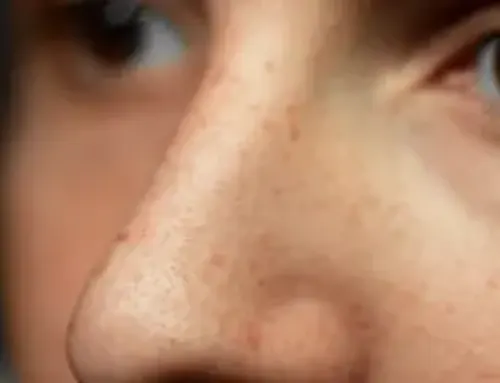
Struggling with skin discoloration? Hyperpigmentation might be the cause. Being a common skin concern faced by people of all ages and skin types, there are various treatments available as per the pigmentation area and depth.
When it comes to pigmentation around the mouth, the signs may show up as dark patches, discoloration on and around the lips, and uneven skin tone, making the area look dull and darkened.
Although this may not be entirely harmful, it can severely affect your confidence, followed by your overall wellness. However, with the right diagnosis and treatment, you can effectively get it treated and restore youthful, glowing skin.
In this blog, we uncover the common causes of pigmentation and the treatment measures available so that you can make an informed decision.
Common causes of pigmentation around the mouth
-
- Sun exposure: The skin around the mouth is generally more sensitive than other areas of your face. The continuous exposure to UV rays without sunscreen can lead to increased melanin production.
- Post-inflammatory hyperpigmentation (PIH): Continuous irritation of the face, acne, or even inflammation from shaving, etc, may result in thicker skin along with dark patches, especially in those with deeper skin tones.
- Allergic reactions and irritants:Skincare and makeup products can sometimes irritate the skin. In the case of allergic contact dermatitis, there will be an initial redness, which leads to pigmentation later on.
- Insulin resistance: Darkening or discoloration around the mouth can sometimes be a sign of diabetes and metabolic disorders, known as Acanthosis Nigricans.
- Melasma : This is one of the most common causes of pigmentation around the mouth and is caused due to an increase in melanin production as a result of hormonal changes, thyroid disorders, pregnancy, sun exposure, etc.
- Vitamin deficiencies:In the case of low deficiency of Vitamin D and B12, pigmentation or discoloration may appear around the mouth. Furthermore, nutritional imbalances can affect the skin’s self-repair processes.
- Dry skin: Severe facial dryness can trigger the production of melanin as a self-protection response, causing dark patches around the mouth. The weakened skin barrier can also make it prone to irritation and inflammation.
How is pigmentation around the mouth diagnosed?
The dermatologist will first conduct a thorough physical examination, which covers a detailed history of your pigmentation around the mouth. These include information such as:
- Discoloration pattern and depth
- Medical and cosmetic history
- Blood tests for hormonal and nutritional issues
Effective treatments for pigmentation around the mouth
The treatment for pigmentation around the mouth is based on the exact cause behind it, and as per the comprehensive assessment, here are some of the common treatments available:
Laser treatment : Laser and light-based therapies are used to target the excess melanin within the skin and break it down without damaging the surrounding tissue. These are highly effective in treating deep pigmentation.
Chemical peels : These are used to exfoliate the top layer of your skin to remove pigmented, dull cells to promote even skin tone. Chemical peels typically involve glycolic acid, salicylic acid, and lactic acid.
Micro needling : In microneedling, to treat pigmentation around the mouth, the treatment involves using tiny needles to create micro-injuries in the skin. This helps trigger collagen production, which lightens the pigmentation.
Skin lightening :Topical skin lightening creams are another popular solution as they help reduce melanin and minimize dark spots. The results are based on the usage consistency and must be applied under medical supervision.
Apart from these, there are a few other home remedies you can try to naturally treat the pigmentation around your mouth.
Home remedies for pigmentation around the mouth
- Turmeric extract : Mix turmeric powder with yoghurt or honey and apply the paste to the discoloured area around your mouth. Leave it for 10-15 mins and then rinse in the morning.
- Green tea extract : Apply cooled green tea bags or green tea-based toners on the darkened area around the mouth. The antioxidants present effectively reduce the pigmentation from the UV damage.
- Milk or yoghurt extract :These come with lactic acid, which provides gentle exfoliation and evens out the skin tone over time. Apply a small amount to the affected area for a few minutes and then rinse it off.
- Sunscreen: Sun exposure is one of the common causes of hyperpigmentation. Apply broad-spectrum sunscreen SPF 30+ regularly around the mouth and reapply as needed.
- Aloe vera gel : Aloe vera consists of compounds such as aloesin, which can help reduce excess melanin in the skin. Apply a small amount of aloe vera gel to the pigmented area around the mouth before bed and rinse at morning.
When should you consult a dermatologist?
While these natural remedies can help address the pigmentation around the mouth for a while, sometimes expert treatment is crucial. A few signs to look out for are if the discolouration persists and spreads over time.
If the hyperpigmentation is followed by itching, dryness, and redness, this can indicate an underlying skin condition such as melasma or even eczema, which needs immediate medical attention. Early consultation can help address the root cause of the pigmentation around your mouth for lasting recovery and skin health.
Conclusion
With the right nutrients and skincare routine on a consistent basis, you can prevent and reduce the pigmentation around your mouth. While there are several triggers to it, the right diagnosis can help in timely treatment, be it creams or advanced procedures.
At Dr Health Clinic we provide the best pigmentation treatment in Bangalore with our skincare expert, Dr Pranjal Shamsher, a registered medical practitioner with more than 20 years of experience. Her treatments for pigmentation involve a multi-therapy approach and personalized solutions for safe and effective treatment.

Dr. Pranjal Shamsher is the first Skin Doctor in Bangalore to offer natural, non-surgical and non-invasive treatments for skin disorders. She is a Registered Medical Practitioner (Registration No A-6515) and a true pioneer in Skin-Friendly Treatments.