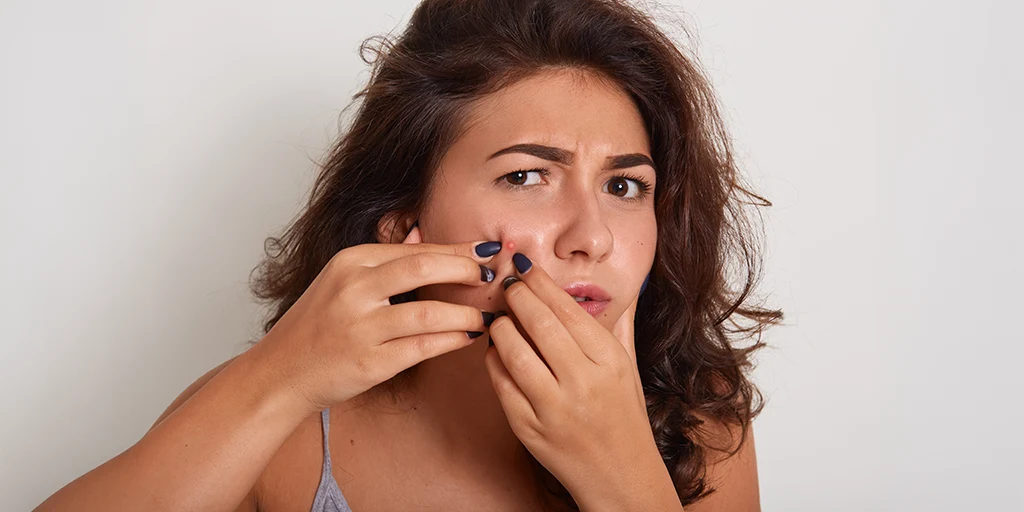
Pimples are a very common skin concern that affects people of all ages, especially teenagers and young adults. They usually appear when pores get clogged with excess oil, dirt, and dead skin cells. Bacteria trapped inside the pores can cause inflammation, leading to red and painful pimples.
Hormonal changes, stress, unhealthy eating habits, poor skincare routines, and even lack of sleep can also trigger breakouts. While many medical treatments are available, several simple home remedies may help reduce pimples naturally and support healthier skin.
Natural ingredients like aloe vera, honey, neem, and turmeric have soothing and antibacterial properties that can calm irritated skin. In this blog, we explore effective home remedies.
Why Do Pimples Occur?
Understanding the cause of pimples can help you manage them better. Some common reasons include:
- Excess Oil Production
The skin naturally produces oil called sebum. When the skin produces too much oil, pores can become blocked and lead to pimples. - Hormonal Changes
Hormonal fluctuations during puberty, menstrual cycles, or stress can increase oil production, which often results in breakouts. - Clogged Pores
Dead skin cells and dirt can accumulate in pores, creating an ideal environment for bacteria. - Bacterial Growth
Certain bacteria on the skin can cause inflammation and lead to painful pimples. - Diet and Lifestyle
Oily foods, excessive sugar, lack of sleep, and stress may worsen acne for some people.
10 Effective Home Remedies for Pimples
1. Aloe Vera Gel
Aloe vera is known for its soothing and healing properties, which make it a popular natural remedy for pimples. It helps calm irritated skin, reduce redness, and support the healing of inflamed breakouts. Aloe vera also has antibacterial and anti-inflammatory properties that may help control acne-causing bacteria while keeping the skin hydrated.
How to use:
Apply fresh aloe vera gel directly to the affected areas and leave it on for about 20-30 minutes before washing it off with lukewarm water. You can also apply a thin layer before bedtime.
2. Tea Tree Oil
Tea tree oil is a natural antibacterial ingredient that may help fight the bacteria responsible for pimples. It may help soothe the redness and swelling often seen with acne.
How to use:
Dilute one drop of tea tree oil with a few drops of water and apply it gently to the pimple using a cotton swab. Do not apply it directly without dilution.
3. Honey
Honey has natural antibacterial and soothing properties that may help calm inflamed skin. It can also support the healing process while keeping the skin moisturised.
How to use:
Apply a thin layer of raw honey to the affected areas or use it as a face mask. Let it stay for 15-20 minutes, then gently rinse with warm water.
4. Turmeric Paste
Turmeric has antibacterial and anti-inflammatory properties that may help reduce redness and swelling caused by pimples. It has been widely used in traditional skincare practices for a long time.
How to use:
Prepare a paste by mixing turmeric powder with water or honey. Apply it to the pimples and leave it for around 10-15 minutes before washing it off.
5. Ice Application
Ice can help reduce swelling and redness caused by inflamed pimples. It temporarily calms the skin and may make the pimple appear smaller.
How to use:
Wrap an ice cube in a clean cloth and gently press it on the pimple for about one minute. Do not place ice directly on the skin for long durations.
6. Green Tea
Green tea contains antioxidants that may help calm irritated skin and reduce inflammation. It may also help control excess oil on the skin.
How to use:
Brew a cup of green tea and allow it to cool. Apply it to your face using a cotton pad or spray bottle and let it dry naturally.
7. Neem Paste
Neem is known for its antibacterial and cleansing properties, which may help reduce acne-causing bacteria and calm irritated skin.
How to use:
Crush fresh neem leaves with a little water to form a paste. Apply it to the pimples and leave it for about 15 minutes before rinsing it off.
8. Multani Mitti (Fuller’s Earth)
Multani mitti helps absorb excess oil and remove impurities from clogged pores. This can be especially useful for those with oily or acne-prone skin.
How to use:
Prepare a smooth paste by mixing multani mitti with rose water. Apply the pack to your face and wash it off after it dries.
9. Apple Cider Vinegar
Apple cider vinegar contains natural acids and antibacterial properties that may help control bacteria and balance the skin’s pH.
How to use:
Mix one part apple cider vinegar with three parts water. Apply it gently to the skin using a cotton pad and rinse after a few minutes.
10. Lemon Juice
Lemon juice contains natural acids that may help reduce excess oil and dry out pimples. It also has antibacterial properties.
How to use:
Dilute fresh lemon juice with water and apply it carefully to pimples using a cotton swab. Let the mixture stay for a few minutes and then rinse it away.
When to Visit a Dermatologist
Home remedies can help manage mild pimples, but some cases may need professional care. If pimples are severe, painful, keep returning frequently, or start leaving scars and dark spots, consulting a dermatologist can help.
At Dr. Health Clinic, dermatologists offer personalised treatments based on your skin type and acne condition. These treatments can help control breakouts, improve skin texture, and support clearer, healthier skin.
Some of the treatments available include:
- Dermatologist consultation and skin analysis to understand the root cause of acne
- Medicated creams and oral treatments to help control acne-causing bacteria and reduce inflammation
- Chemical peels that help unclog pores and reduce acne marks and pigmentation
- Laser or light-based treatments that help manage stubborn or recurring acne
Tips to Prevent Pimples
Along with home remedies, some simple habits can help reduce breakouts:
- Wash your face twice a day with a gentle cleanser.
- Avoid touching or squeezing pimples, as it may cause scars.
- Remove makeup before sleeping.
- Drink enough water to keep your skin hydrated.
- Eat a balanced diet with fruits and vegetables.
- Change pillowcases regularly to reduce bacteria buildup.
- Manage stress through exercise or relaxation techniques.
Conclusion
Home remedies can help manage mild pimples and support healthier skin using simple natural ingredients. Aloe vera, honey, turmeric, neem, and green tea may help calm inflammation, reduce bacteria, and balance oil levels on the skin. However, every skin type reacts differently, and results may vary.
Maintaining a healthy skincare routine, good hygiene, and balanced lifestyle habits also plays an important role in preventing breakouts. If pimples are frequent, severe, or leave scars, it is best to seek professional advice from a qualified dermatologist who can guide you with the right treatment and skincare approach.
Struggling with acne or recurring pimples? Visit Dr. Health Clinic for expert skin consultations and advanced acne treatments. Our dermatologists provide personalised care to help you achieve clearer and healthier skin.

Dr. Pranjal Shamsher is the first Skin Doctor in Bangalore to offer natural, non-surgical and non-invasive treatments for skin disorders. She is a Registered Medical Practitioner (Registration No A-6515) and a true pioneer in Skin-Friendly Treatments.