
While it may worry parents, hair thinning in babies is often part of normal development and improves as the child grows. In most cases, new, stronger hair replaces the thin strands over time without medical intervention. However, persistent thinning, patchy loss, or associated scalp issues may need professional evaluation. With the right guidance, reassurance, and, when needed, appropriate baby hair thinning treatment, healthy hair growth can be supported safely and effectively.
Also Known As
Infant hair shedding, infant hair thinning, neonatal alopecia, baby hair loss, newborn hair shedding, temporary baby alopecia.
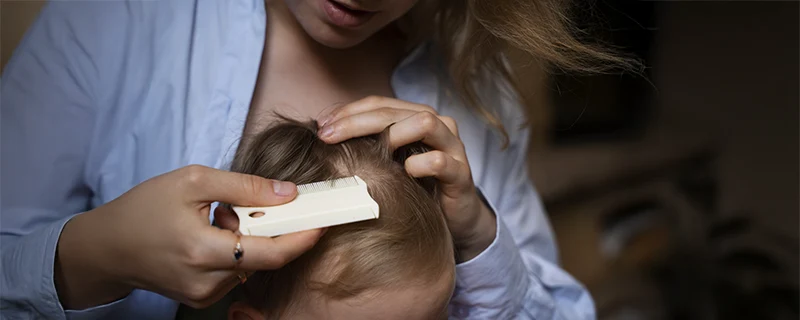
Causes

Hormonal changes after birth
Friction and sleeping position

Slow hair growth cycle

Nutritional factors

Scalp conditions

Genetic influence

Medical or birth-related stress
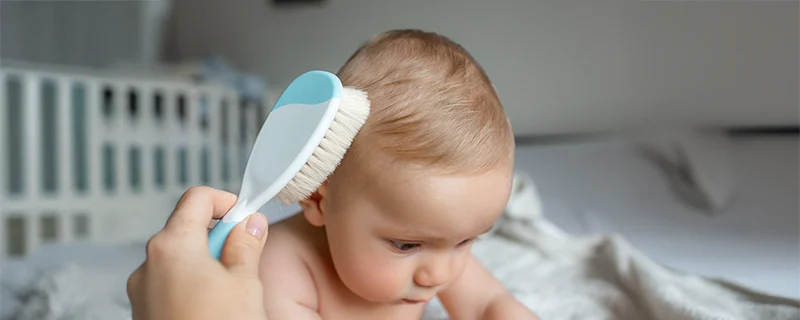
Common Symptoms
Who It Affects
Baby hair thinning can affect newborns and infants of any gender or background. It is most commonly seen in babies between 2-8 months old, but may also occur later during early childhood.
Babies with fine hair texture, those who sleep in one position frequently, or those with a family history of slow hair growth are more likely to experience this condition.
When to see a dermatologist
You should consult a dermatologist if hair thinning continues beyond the first year, worsens over time, or is associated with redness, scaling, or broken hair.
Medical advice is also important if hair loss appears sudden, patchy, or severe, as professional evaluation can rule out underlying issues and guide safe infant hair thinning care.
Schedule Appointment
Baby hair thinning is usually harmless, yet timely expert guidance helps parents feel confident. Dr Health Clinic offers gentle assessments and personalized care for infants. Book an appointment today to ensure your baby’s hair growth is progressing naturally.

