
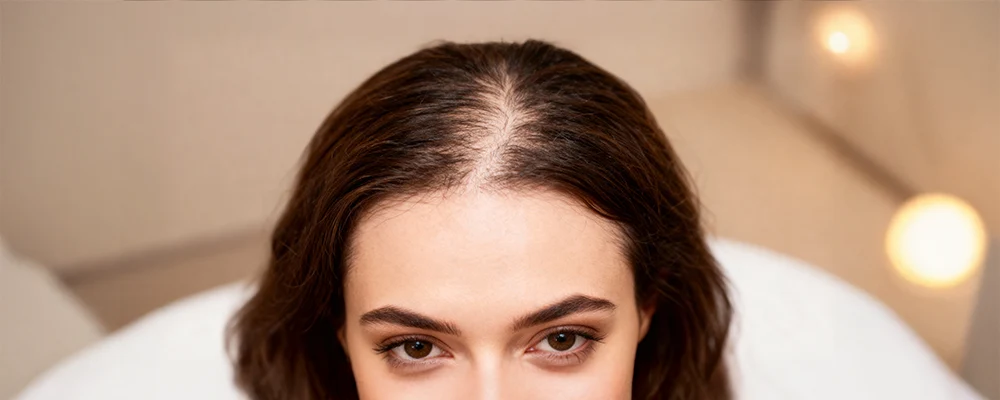
Androgenetic alopecia, also known as androgenic hair loss, is a common hereditary condition that causes gradual thinning of hair on the scalp. It occurs when hair follicles become sensitive to dihydrotestosterone (DHT), a hormone derived from testosterone, leading to shorter and finer hair growth cycles. In men, it typically appears as a receding hairline or bald spots on the crown, while women experience diffuse thinning across the scalp. Although it’s a natural and progressive condition, early diagnosis and personalized treatment can help slow hair loss and stimulate regrowth through medical or natural approaches.
Also Known As
- Male-pattern baldness
- female-pattern hair loss
- androgenic hair loss
Causes

Genetic factors

Hormonal changes

Age

Stress & lifestyle

Medical conditions

Medications

Common Symptoms
Who It Affects
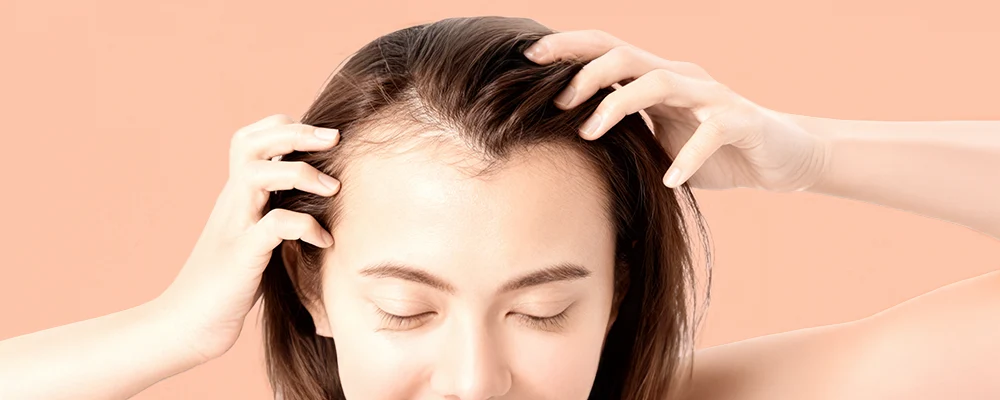
Androgenetic alopecia affects both men and women, typically appearing after puberty and becoming more noticeable with age. It often starts in men in their 20s or 30s and in women after menopause.
When to see a dermatologist
Consult a dermatologist if you notice excessive hair shedding, visible scalp thinning, or sudden pattern hair loss for early diagnosis and treatment. Early medical advice can help prevent further hair loss and promote regrowth through medical androgenetic alopecia natural treatment options.

