
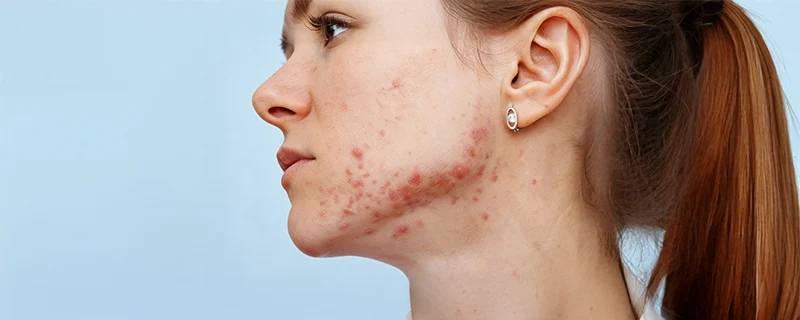
Adolescent acne is a common skin condition that develops when oil glands become more active during puberty. Pores get clogged with excess oil, dead skin, and bacteria, leading to pimples, whiteheads, and blackheads. It affects both boys and girls and can vary from mild breakouts to more stubborn, inflamed acne. While the condition is natural during teenage years, early care helps prevent marks, reduce flare-ups, and keep skin healthier. With proper guidance and timely treatment, most young people can manage breakouts effectively and restore clear, confident skin.
Types of Acne
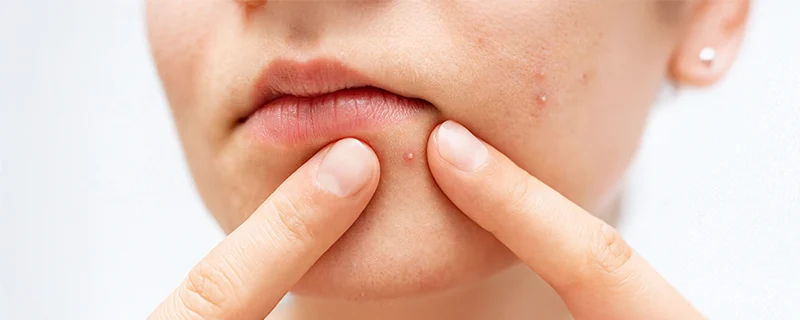
Adolescent acne appears in different forms, such as whiteheads, blackheads, papules, pustules, and occasional cystic bumps. These acne types may show up on the face, chest, shoulders, or back during teenage years.
Also Known As
- Teenage acne
- Acne vulgaris
- common acne
- youth acne
- juvenile acne
Causes

Hormonal changes

Excess sebum production

Genetic factors

Clogged pores

Lifestyle and diet
Common Symptoms
Who It Affects
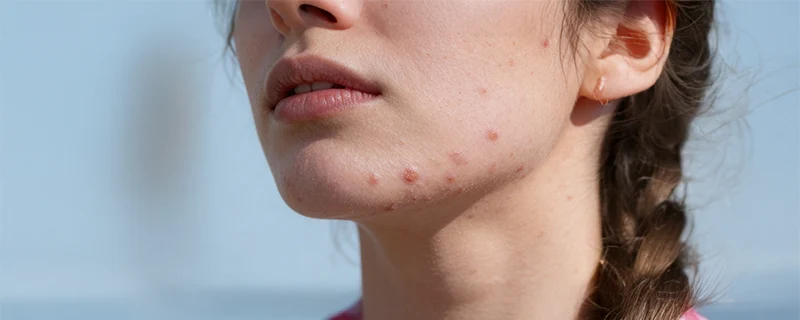
Adolescent acne mostly affects teenagers and young adults as their hormones become more active during puberty, leading to common patterns seen in acne in teenagers.
When to see a dermatologist
Seek medical advice if breakouts are severe, painful, spreading quickly, or leaving dark marks or scars. A dermatologist can recommend safe adolescent acne treatment options that reduce inflammation, control oil, and prevent long-term skin damage.

