
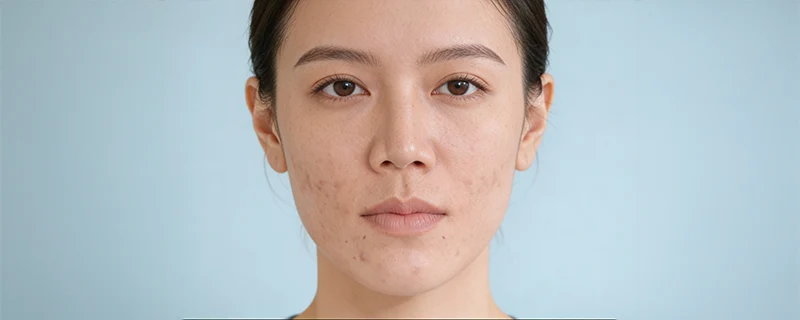
Acne scars refer to the marks that remain on your skin once the acne fades away after a breakout. During the healing stage of acne, the skin produces either too much or too little collagen, as a result of which scars are caused.
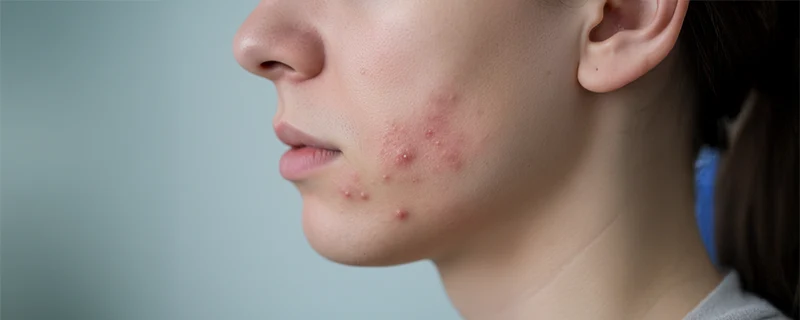
There are different types of scars produced, such as dark spots, small holes, depressed, or raised bumps. They are most likely to appear in those where the acne was severe or picked at. Although these scars may not cause any harm as such, they can impact the individual’s confidence.
Types of Acne Scars
There are two common types of acne scars – raised scars and depressed scars. These are usually formed when the skin heals unevenly, causing visible markings across the face. Although they may last for the long term and do not fade away on their own, expert treatment can help restore a naturally smooth face over time.
Also Known As
Pitted scars or pockmarks, hypertrophic scars (raised), atrophic scars (indented or depressed scars), post-inflammatory hyperpigmentation (PIH).
Causes

Loss or excess collagen during healing

Picking at pimples
Touching, poking, or popping the pimples breaks the skin barrier, which spreads the bacteria and increases inflammation. The natural healing process is automatically disrupted, causing the appearance of scars.

Inflammatory acne

Genetic factors

Delayed acne treatment
Common Symptoms
Who It Affects
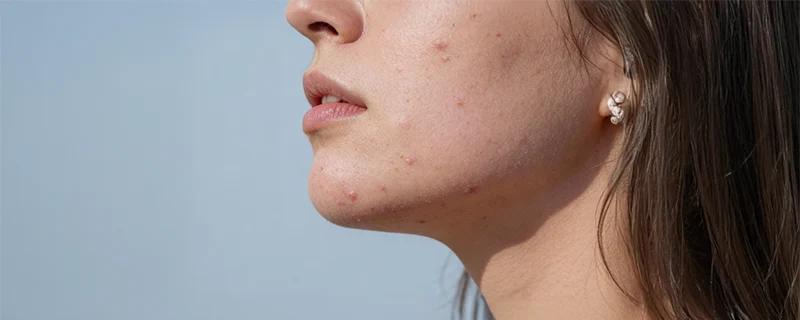
Individuals who previously had moderate to severe acne are likely to get acne scars. The possibilities are high for those who have experienced deep inflammation or have the habit of frequently picking at pimples.
Acne scars are commonly seen in teenagers and young adults. Individuals with a family history of acne scarring are prone to developing long-term markings.
When to see a dermatologist
Consult a dermatologist for acne mark treatment if the scars are becoming more noticeable or if there are repetitive breakouts. Early expert guidance can prevent deeper scarring and make the scars or marks less visible over time.
Schedule your appointment at the earliest for professional acne scar treatment today.

