
Androgenetic Alopecia in females, also known as female pattern hair loss or FPHL, is a common type of hair loss condition faced amongst women. Although it starts after menopause, factors such as genetics, ageing, or hormonal changes can also contribute to the early onset of this condition.
According to the American Academy of Dermatology, female pattern baldness usually targets the top and crown of the scalp, keeping the hairline unaffected. The condition develops as hair follicles shrink, eventually leading to shorter, finer strands. While FPHL is a long-term condition, early treatment, like topical minoxidil, can stimulate hair regrowth and reduce hair fall.
Also Known As
- Androgenetic Alopecia
- Female Pattern Hair Loss (FPHL)

Causes

Ageing

Medical conditions

Genetics

Stress and illness

Hormonal changes
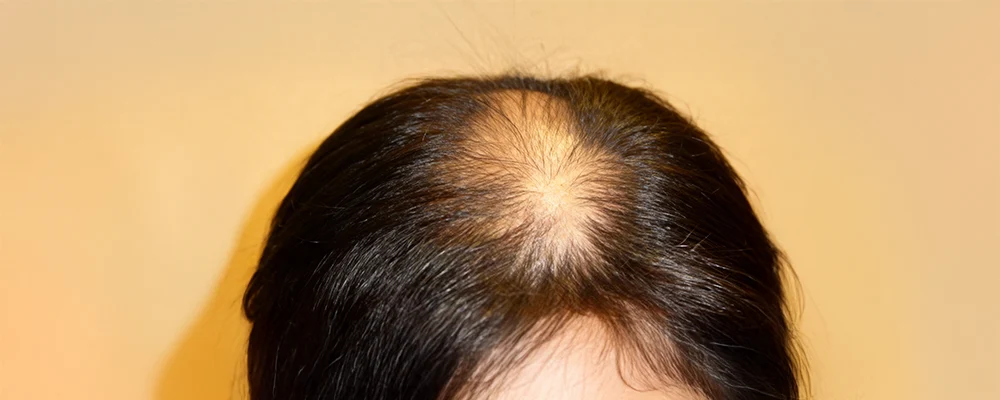
Common Symptoms
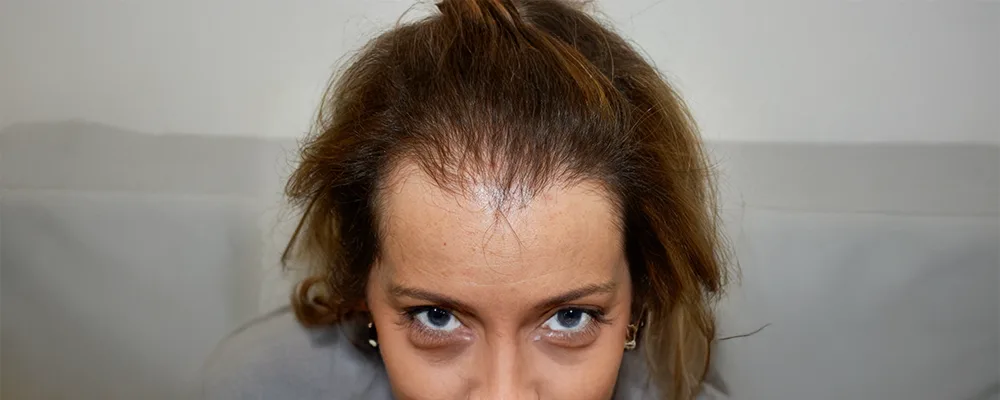
Who It Affects
The female pattern hair loss can affect women of all ages, and is usually seen after menopause, followed by ageing and a change in hormonal balance. It starts any time after puberty and comes with an increased risk with age.
When to see a dermatologist
Consult a dermatologist in cases of consistent hair thinning, increasingly visible scalp with a widening centre part, unexpected shedding, or even if the hair loss is affecting your everyday life and confidence.

